Live picks
See what's on in Kilimanjaro right now — must-see spots, food, and events
Open →
Overview
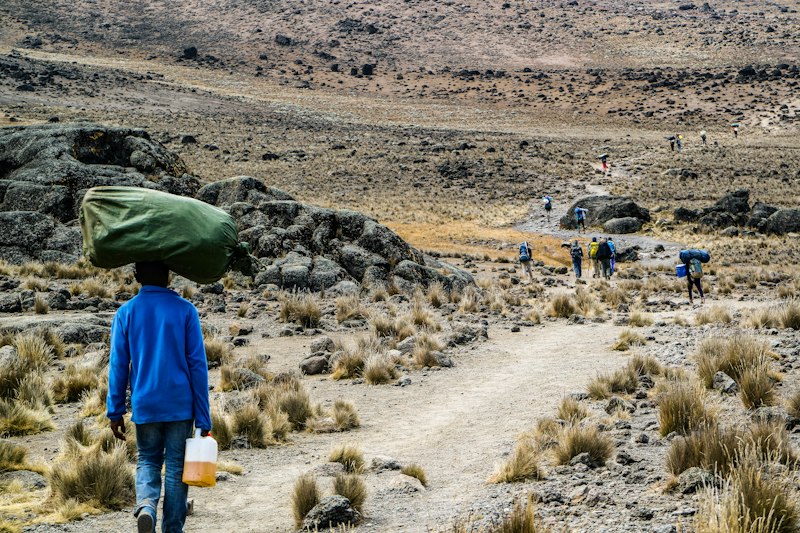
Mount Kilimanjaro is Africa's highest peak at 5,895 meters, and remarkably, it requires no technical climbing skills to summit. The mountain rises from the Tanzanian savanna through five distinct climate zones — cultivated farmland, rainforest, heath, alpine desert, and arctic summit. A five-day trek on the Marangu route (the shortest option) takes you from lush forest teeming with colobus monkeys through otherworldly giant groundsel landscapes to Uhuru Peak's glaciers and the iconic sign marking the Roof of Africa. The sense of achievement at sunrise on the summit, looking down at clouds stretched across the African plains, is life-changing. Kilimanjaro's ecosystem is fascinating: each day brings dramatically different vegetation and wildlife. The mountain supports local communities through tourism employment, with porters, guides, and cooks making each trek possible. Five days is the minimum recommended duration — though longer routes like Lemosho (7-8 days) improve summit success rates through better acclimatization.
Highlights
- 1Trek through tropical rainforest on the first day, spotting blue monkeys and exotic birdlife along the trail
- 2Ascend through the heath and moorland zone with views of Mawenzi Peak and giant lobelia plants
- 3Reach Kibo Hut at 4,700 meters and prepare for the midnight summit push across the alpine desert
- 4Summit Uhuru Peak at sunrise for breathtaking views above the clouds across the African continent
- 5Descend through changing ecosystems back to the gate, celebrating with your guides and porters
Best Time to Visit
January to mid-March and June to October are the driest periods with the clearest summit views. July to September is peak season with the most trekkers. April and May bring heavy rain making trails slippery and views limited.
Travel Tips
- •Choose a reputable operator that pays porters fairly — Kilimanjaro Porters Assistance Project (KPAP) maintains a list of ethical companies
- •Acclimatize properly: walk slowly (pole pole), drink 3-4 liters of water daily, and consider a longer route for better success rates
- •Pack quality layers including a down jacket, thermal base layers, and waterproof outer shell — summit temperatures can reach -20°C
- •Bring altitude sickness medication (acetazolamide/Diamox) after consulting your doctor before the trip
- •Tip your guides, porters, and cook at the end — it is a significant portion of their income and expected at $20-25/day for the team
Frequently Asked Questions
Is climbing Kilimanjaro expensive?
Climbing Kilimanjaro is a significant investment. All-inclusive guided treks cost $1,500-5,000+ depending on route, duration, and operator quality. Park fees alone are about $700 for a 6-day climb. Budget options exist but cutting costs on guides and equipment can compromise safety.
Do I need a visa for Tanzania?
Most nationalities including US, UK, EU, Canadian, and Australian citizens need a visa for Tanzania. An e-Visa costs $50 and can be applied for online before travel. Visas on arrival are available at Kilimanjaro Airport but advance application is recommended.
Is climbing Kilimanjaro safe?
Kilimanjaro is climbable without technical mountaineering skills, but altitude sickness is a serious risk above 4,000 meters. Choose a route with proper acclimatization days (7-8 days ideal), and select a reputable operator with experienced guides and emergency protocols.
How many days do you need for Kilimanjaro?
Plan 7-8 days for the trek itself plus 1-2 days before and after in Moshi or Arusha. The Lemosho and Northern Circuit routes (7-9 days) offer the best acclimatization and summit success rates. Shorter 5-6 day routes have lower success rates due to faster altitude gain.
What is the best time to climb Kilimanjaro?
January to mid-March and June to October are the driest periods with the best climbing conditions and clearest views. July to September is peak season with the most climbers. The rainy seasons (March-May and November) offer fewer crowds but muddier trails and less visibility.