Live picks
See what's on in Zanzibar City right now — must-see spots, food, and events
Open →
Overview
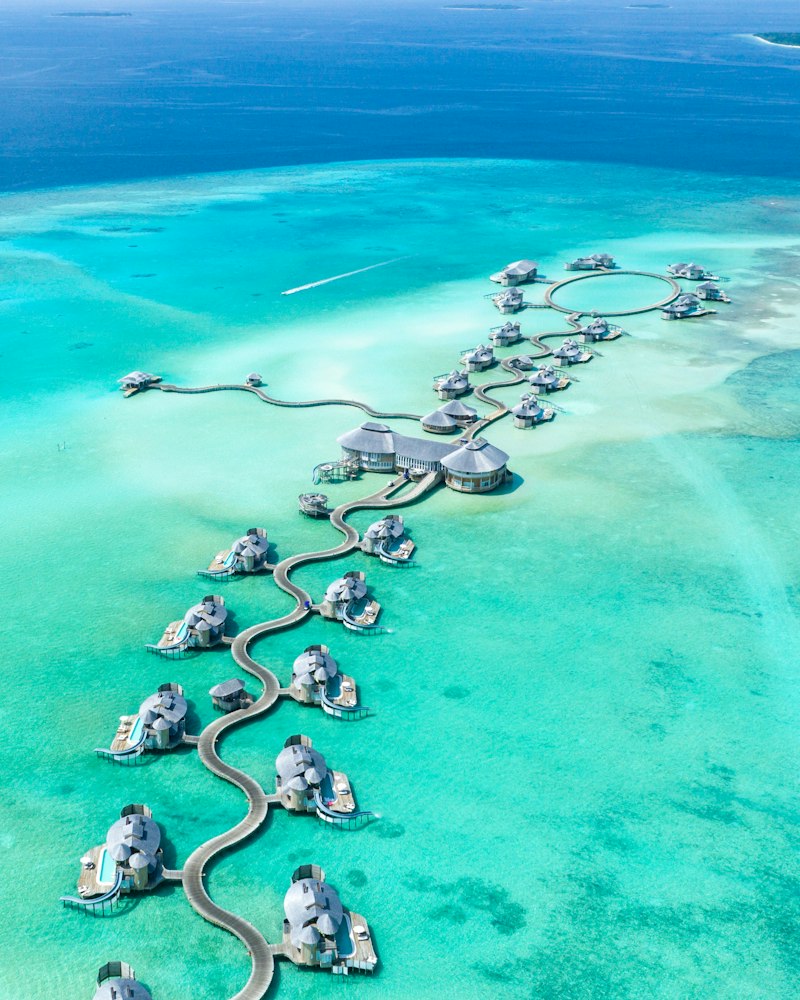
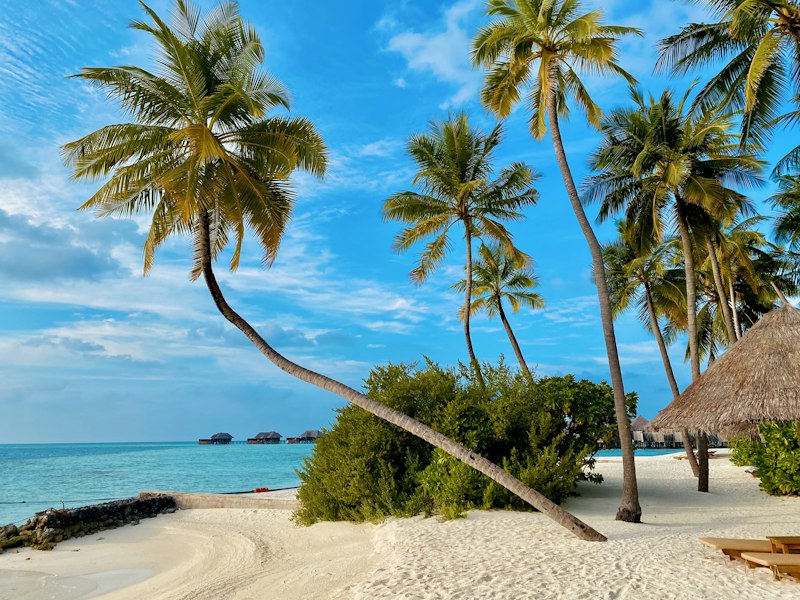
Zanzibar is an exotic archipelago off the coast of Tanzania that has enchanted travelers for centuries with its intoxicating blend of African, Arab, Indian, and European influences. Stone Town, the historic heart of Zanzibar City, is a UNESCO World Heritage Site where narrow winding alleys lead past carved wooden doors, ancient mosques, ornate palaces, and bustling bazaars that recall the island's history as a major trading hub on the Indian Ocean spice route. The island earned its nickname as the Spice Island from its historic clove, nutmeg, cinnamon, and black pepper plantations, which you can visit on guided spice tours. Beyond Stone Town, Zanzibar's coastline is fringed with some of the most beautiful beaches in Africa, where powder-white sand meets turquoise waters. The east coast beaches of Nungwi and Kendwa offer excellent swimming and sunset views, while Paje is a world-class kitesurfing destination. The surrounding waters teem with marine life, offering spectacular snorkeling and diving at Mnemba Atoll and other coral reefs. The food scene reflects the island's multicultural heritage, with Swahili dishes infused with aromatic spices, fresh seafood grills at the Forodhani night market, and fusion cuisine in boutique restaurants. Four days allows you to explore Stone Town, relax on the beaches, visit spice plantations, and snorkel pristine reefs.
Highlights
- 1Explore Stone Town's labyrinthine streets, visit the Palace Museum, the Old Fort, and the House of Wonders
- 2Take a guided spice tour through aromatic plantations, learning about cloves, vanilla, and cinnamon production
- 3Relax on the white-sand beaches of Nungwi or Kendwa, then snorkel the coral reefs of Mnemba Atoll
- 4Visit the Jozani Forest to see endemic red colobus monkeys, then enjoy a sunset seafood feast at Forodhani Gardens
Best Time to Visit
June to October is the dry season with warm weather, clear skies, and the best conditions for beach activities and diving. January and February are also dry and hot. March to May brings the long rains, and November has short rains. July to September is peak season.
Travel Tips
- •Dress modestly in Stone Town as Zanzibar is predominantly Muslim, covering shoulders and knees
- •Try the Forodhani Gardens night market for fresh grilled seafood, Zanzibar pizza, and sugarcane juice
- •Book a dhow sailing trip for a traditional way to explore the coastline and nearby islands
- •Apply strong reef-safe sunscreen as the equatorial sun is intense even on overcast days
- •Negotiate taxi and tour prices before setting off, or arrange transportation through your hotel
Frequently Asked Questions
Is Zanzibar expensive?
Zanzibar is moderately priced with options for every budget. Budget travelers can manage on $30-50/day with guesthouses in Stone Town and local restaurants. Mid-range beach resorts on the east coast run $100-200/night during high season.
Do I need a visa for Tanzania?
Most nationalities including US, UK, EU, Canadian, and Australian citizens need a visa for Tanzania. An e-Visa costs $50 and can be applied for online before travel. Visas on arrival are also available at the airport but queues can be long.
Is Zanzibar safe for tourists?
Zanzibar is generally safe for tourists. Stone Town is safe during the day but take care walking alone at night in poorly lit areas. On the beaches, watch your belongings and avoid isolated stretches. Zanzibar is predominantly Muslim, so dress modestly away from resort beaches.
How many days do you need in Zanzibar?
Four to five days lets you explore Stone Town's winding alleys and spice markets, relax on east coast beaches, and take boat trips for snorkeling or dolphin watching. Three days works for a focused visit to Stone Town and one beach.
What is the best area to stay in Zanzibar?
Stone Town is essential for culture, history, and the famous night food market at Forodhani Gardens. Nungwi and Kendwa on the north coast have the best beaches with minimal tidal changes, while Paje on the east coast is a kitesurfing hotspot with a relaxed backpacker scene.