Days 1–3: Barcelona and the Costa Brava
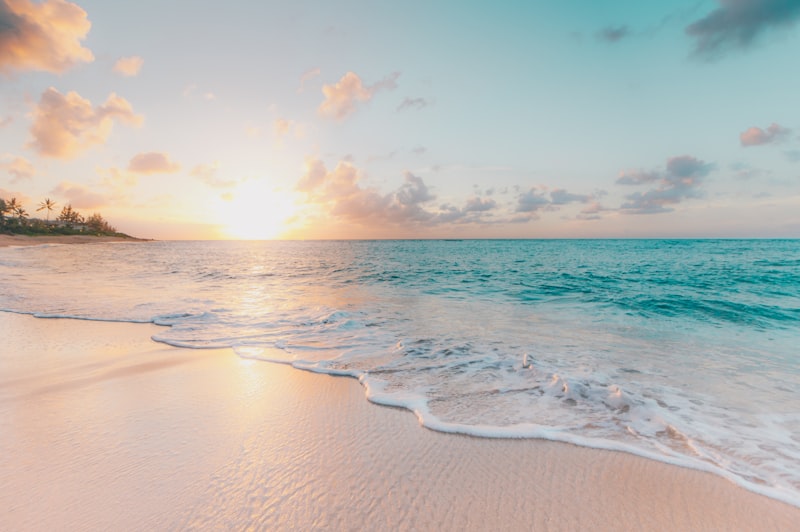
Begin in Barcelona, picking up your rental car on day 3. Spend the first two days exploring the city on foot — Gaudi's Sagrada Familia (book tickets weeks ahead), the Gothic Quarter's medieval alleys, La Boqueria market on Las Ramblas, and the Barceloneta beach. Park Guell offers mosaic-covered terraces with panoramic city views, and the Picasso Museum in El Born is world-class. On day 3, collect your rental car and drive north along the Costa Brava. Stop in Tossa de Mar, a walled medieval town above a turquoise cove, and Cadaqués, the whitewashed fishing village where Salvador Dalí lived and worked. The coastal road between these towns is one of Spain's most scenic drives, winding through pine-covered cliffs above the Mediterranean. Check our [Barcelona 4-day itinerary](/itinerary/barcelona-4-days) for a detailed city plan.
Days 4–6: Valencia and the Mediterranean Coast
Drive south to Valencia (3.5 hours from Barcelona on the AP-7 motorway). Valencia is one of Spain's most underrated cities — the futuristic City of Arts and Sciences designed by Santiago Calatrava, the old town's stunning silk exchange (La Lonja), the sprawling Turia Gardens built in a former riverbed, and the Central Market overflowing with fresh produce, jamón, and olives. Valencia is the birthplace of paella, and eating an authentic one here is mandatory. Head to La Albufera, a lagoon south of the city, where waterside restaurants serve paella cooked over wood fires using local rice, rabbit, and green beans — the traditional recipe that bears little resemblance to tourist-menu versions elsewhere. After Valencia, drive to Alicante (2 hours) for a night, visiting its hilltop castle and the old town's tapas bars along the narrow streets behind the Explanada promenade.
Days 7–10: Andalusia — Granada, the White Villages, and Seville
The drive from Alicante to Granada (3.5 hours) takes you into Andalusia, Spain's cultural heartland. The Alhambra in Granada is Spain's most visited monument — a Moorish palace complex of staggering beauty set against the snow-capped Sierra Nevada. Book tickets at least a month ahead as they sell out. The Albaicín neighborhood below the Alhambra is a UNESCO-listed labyrinth of narrow streets, tea houses, and mirador viewpoints. From Granada, drive through the Pueblos Blancos (White Villages) of the Sierra de Grazalema — Ronda is the showstopper, with its dramatic bridge spanning a 100-meter gorge. Continue to Seville (2.5 hours from Ronda), where the Alcázar palace, the Gothic cathedral with its Giralda tower, and the tapas bars of Triana and Santa Cruz will fill 2 to 3 days. Seville is where you will find authentic flamenco — attend a show at an intimate tablao rather than a large tourist venue.
Days 11–12: Madrid and Central Spain
Drive north from Seville to Madrid (5.5 hours, or break the drive with a stop in Córdoba to see the Mezquita, a mosque-cathedral hybrid that is one of the most remarkable buildings in Europe). Madrid is Spain's vibrant capital — the Prado Museum houses one of the world's finest art collections, the Retiro Park is a green oasis perfect for afternoon strolling, and the city's food scene is exceptional. Madrid comes alive at night. Dinner starts at 9 PM or later, and the tapas bars around La Latina (especially on Cava Baja) and Malasaña fill up with locals. Try a cocido madrileño (chickpea stew), bocadillo de calamares (squid sandwich) from a bar near Plaza Mayor, and churros con chocolate at Chocolatería San Ginés, which has been serving them since 1894. Return the rental car here if you are flying home from Madrid.
Driving Tips and Practical Information
Renting a car in Spain is straightforward and relatively affordable — expect 30 to 50 euros per day for a compact car with full insurance. Autopistas (toll motorways marked AP) are fast and well-maintained. Autovías (free highways marked A) are nearly as good and often run parallel to toll roads. Fuel costs around 1.60 to 1.80 euros per liter. Speed limits are 120 km/h on motorways, 90 km/h on rural roads, and 50 km/h in towns. Speed cameras are common and fines are strict. Parking in city centers is challenging — look for blue-zone street parking (pay at meters) or covered public garages. Most rental cars are manual transmission; book automatic early if you need it. An International Driving Permit is recommended but not legally required for most nationalities. Use Periplo to generate a complete [Spain road trip itinerary](/itinerary/spain-14-days) with daily driving routes, stop recommendations, and restaurant picks.