Tokyo: The World's Most Michelin-Starred City
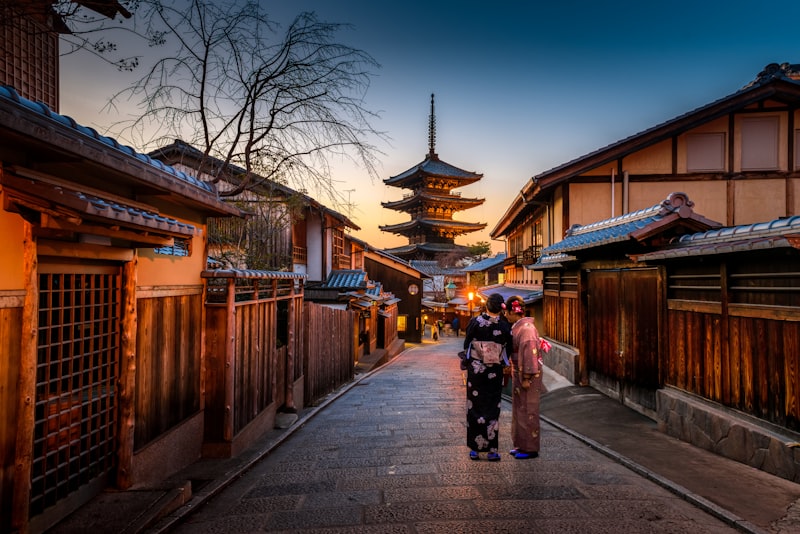
Tokyo has more Michelin stars than any other city on Earth, but its true genius lies in the obsessive pursuit of perfection at every price point. A $7 bowl of ramen at a tiny counter-seat shop in Shinjuku can be as transcendent as a $300 kaiseki dinner in Ginza. The depth and specialization is unmatched — entire restaurants dedicated solely to tempura, tonkatsu, soba noodles, or gyoza, each with decades of refinement. For street food and casual eating, explore Ameyoko market near Ueno for grilled seafood and tamagoyaki, the yakitori alleys of Yurakucho under the train tracks, and the depachika (department store basements) in Shinjuku and Shibuya for prepared foods and sweets. Tsukiji Outer Market (the inner market moved to Toyosu) remains essential for sushi breakfasts and fresh seafood. Plan a food-focused trip with our [Tokyo 7-day itinerary](/itinerary/tokyo-7-days).
Bangkok and Mexico City: Street Food Royalty
Bangkok's street food scene is the most vibrant on the planet. Yaowarat Road (Chinatown) comes alive after dark with wok-fired noodles, grilled seafood, and mango sticky rice vendors lining the street. Pad thai from Thip Samai, boat noodles at Victory Monument, and som tum (papaya salad) from any street cart in the Silom area are essential experiences. A full meal from a street vendor rarely exceeds $2, making Bangkok one of the cheapest great food cities in the world. Mexico City rivals Bangkok in street food culture. Tacos al pastor from a cart in Condesa, tlacoyos at a market stand in Coyoacán, churros from El Moro, and tamales from morning vendors outside metro stations are all extraordinary. The city also has a booming modern dining scene — Pujol and Quintonil regularly rank among the world's best restaurants, reimagining Mexican ingredients with contemporary techniques.
Istanbul, Lima, and the Mediterranean Trio
Istanbul sits at the crossroads of continents and cuisines. Breakfast alone is worth the trip — a traditional Turkish kahvaltı spread includes dozens of small plates: cheeses, olives, tomatoes, eggs, honey with kaymak, simit bread, and endless tea. The city's kebab culture extends far beyond the döner — try Adana kebab, iskender kebab, and beyti at neighborhood lokantas. The Egyptian Spice Bazaar and the street food around Eminönü (balık ekmek — grilled fish sandwiches from boats) are essential stops. Lima is South America's culinary capital. Ceviche is an art form here, perfected in cevicherías across the city. The Miraflores and Barranco neighborhoods have world-class restaurants like Central and Maido. In the Mediterranean, Bologna (Italy's true food capital), Barcelona (La Boqueria market and creative tapas), and Lyon (France's gastronomic heart with its legendary bouchons) form a trio that any food traveler should prioritize.
Osaka, Marrakech, and Unexpected Food Destinations
Osaka is Japan's kitchen — kuidaore means "eat until you drop," and the locals take this seriously. Dotonbori street is a sensory overload of takoyaki (octopus balls), okonomiyaki (savory pancakes), kushikatsu (deep-fried skewers), and gyoza. Unlike Tokyo's refinement, Osaka celebrates bold, hearty, and unapologetically indulgent food. A food crawl through Shinsekai and the Kuromon Market will leave you happily stuffed for under $20. Marrakech brings the flavors of North Africa — tagines slow-cooked with preserved lemons and olives, harira soup, msemen flatbread with honey, and the Djemaa el-Fna night market where dozens of stalls serve grilled meats, snail soup, and fresh orange juice. For underrated food cities, consider Penang (Malaysia's hawker food capital), Oaxaca (Mexico's most complex regional cuisine), and Chengdu (the fiery heart of Sichuan cooking).
How to Plan a Food-Focused Trip
The best food travel happens at the local level — seek out the neighborhood restaurants, morning markets, family-run stalls, and regional specialties that guidebooks overlook. Ask hotel staff, taxi drivers, and locals where they eat — the recommendation will almost always be better and cheaper than anything on a "top 10" tourist list. Take a cooking class in each destination to bring flavors home with you. Food tours led by local guides are worth the investment in unfamiliar cities, especially on your first day — they introduce you to dishes, neighborhoods, and ordering customs you would otherwise miss. Book small-group tours (8 people or fewer) focused on street food and local markets rather than sit-down restaurant tours. Use Periplo to generate itineraries with food-focused recommendations — our AI includes restaurant picks, market visits, and food neighborhood walks for every destination.