Planning Your Japan Itinerary: How Many Days Do You Need?
Japan rewards both short visits and extended explorations, but for a first trip, plan at least 10 to 14 days to cover the essential circuit: Tokyo (3–4 days), Hakone or Nikko as a day trip, Kyoto (3–4 days), a day trip to Nara, and Osaka (2–3 days). This classic route follows the Tokaido Shinkansen line, making transportation straightforward. If you have more time, add Hiroshima and Miyajima Island (2 days), the Japanese Alps town of Takayama (2 days), or the tropical beaches of Okinawa (3–4 days). Japan is larger and more geographically diverse than most visitors expect — do not try to cover everything in one trip. Start planning with our [Tokyo 7-day itinerary](/itinerary/tokyo-7-days) and [Kyoto 5-day itinerary](/itinerary/kyoto-5-days).
The Japan Rail Pass and Getting Around
The Japan Rail Pass is the single best investment for first-time visitors. A 14-day pass covers unlimited travel on JR trains including most Shinkansen (bullet trains), JR local lines, and even the JR ferry to Miyajima. The Tokyo-to-Kyoto Shinkansen alone costs nearly half the price of a 7-day pass, so the pass pays for itself quickly with even moderate travel. Activate the pass on the day you first use it, not the day you arrive. Within cities, the JR Pass covers JR urban lines (including the Yamanote loop in Tokyo) but not private railways or subway systems. Buy a rechargeable IC card (Suica or Pasmo) at any station for subways, buses, convenience store purchases, and vending machines. Japan's trains run with legendary punctuality — a 1-minute delay makes national news.
Japanese Etiquette and Cultural Tips
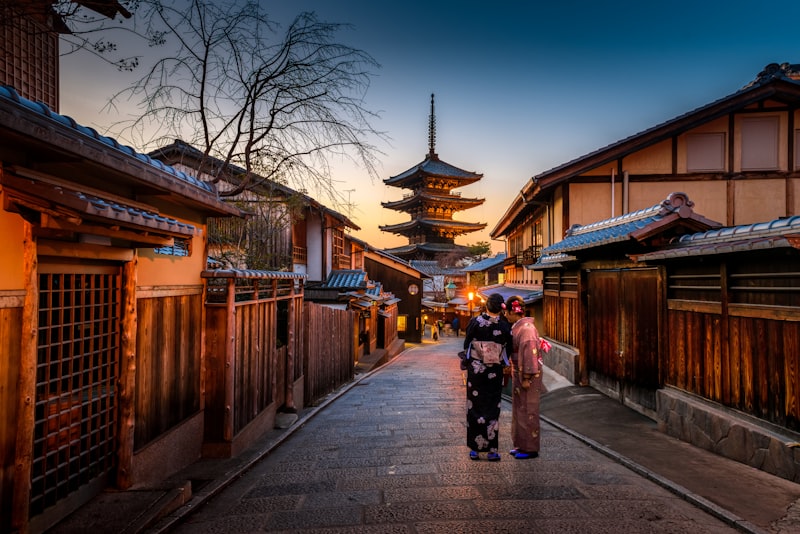
Japan has distinct social customs that visitors should respect. Remove shoes when entering homes, traditional ryokans, some restaurants, and temple interiors — look for a step up and rows of slippers at the entrance. Bow slightly when greeting people or saying thank you. Do not eat or drink while walking on the street. On trains and buses, keep your phone on silent and avoid talking on calls. At temples and shrines, follow the purification ritual at the water basin (wash left hand, right hand, rinse mouth from left hand, then tilt the ladle to wash its handle). At shrines, bow twice, clap twice, make a wish, and bow once more. Tipping is not practiced in Japan and can actually cause confusion. "Sumimasen" (excuse me) and "arigatou gozaimasu" (thank you very much) are the two most useful phrases you can learn.
What and Where to Eat in Japan
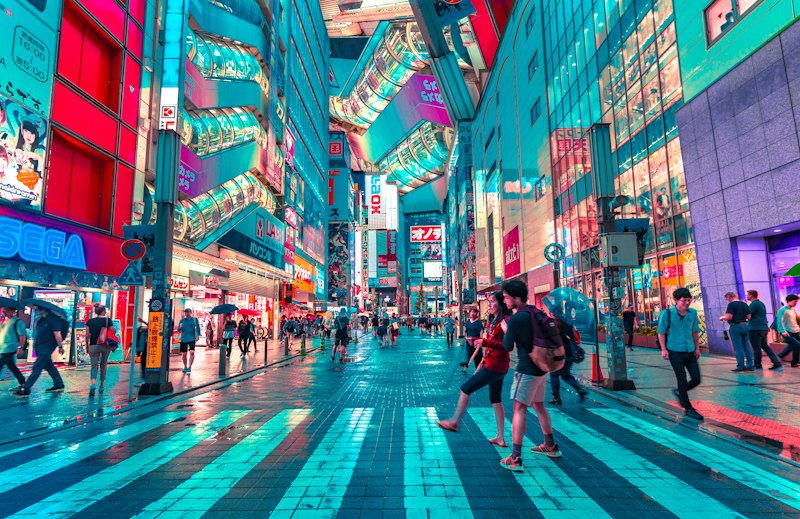
Japanese food extends far beyond sushi, and eating is one of the greatest joys of visiting. Ramen shops serve rich, steaming bowls for 800 to 1,200 yen ($5–8). Conveyor belt sushi (kaiten-zushi) offers plates from 100 yen each. Izakayas (Japanese pubs) serve small plates perfect for sharing alongside beer and sake. Department store basement food halls (depachika) are treasure troves of prepared foods, sweets, and bento boxes. In Tokyo, head to Shinjuku's Memory Lane (Omoide Yokocho) for atmospheric yakitori stalls. In Osaka — Japan's food capital — Dotonbori street is a neon-lit festival of takoyaki (octopus balls), okonomiyaki (savory pancakes), and kushikatsu (deep-fried skewers). In Kyoto, try traditional kaiseki multi-course meals and matcha desserts in teahouses overlooking zen gardens. Budget about 3,000 to 5,000 yen ($20–35) per day for food if you eat at local restaurants.
Budget, Money, and Practical Information
Japan has a reputation for being expensive, but savvy travelers can manage on $80 to $120 per day including accommodation, food, transport, and activities. Hostels and capsule hotels run $25 to $50 per night. Convenience stores (konbini) like 7-Eleven, Lawson, and FamilyMart sell surprisingly excellent and affordable meals, onigiri, and bento boxes 24 hours a day. Japan is still a cash-heavy society despite recent moves toward digital payments. Carry yen — 7-Eleven and Japan Post ATMs accept international cards. Most small restaurants, shrines, and market stalls are cash only. The best time to visit is spring (March–May) for cherry blossoms or autumn (October–November) for foliage. Summer is hot and humid, while winter is cold but offers great skiing and fewer tourists. Use Periplo to generate a complete [Japan itinerary](/itinerary/japan-14-days) tailored to your dates and interests.