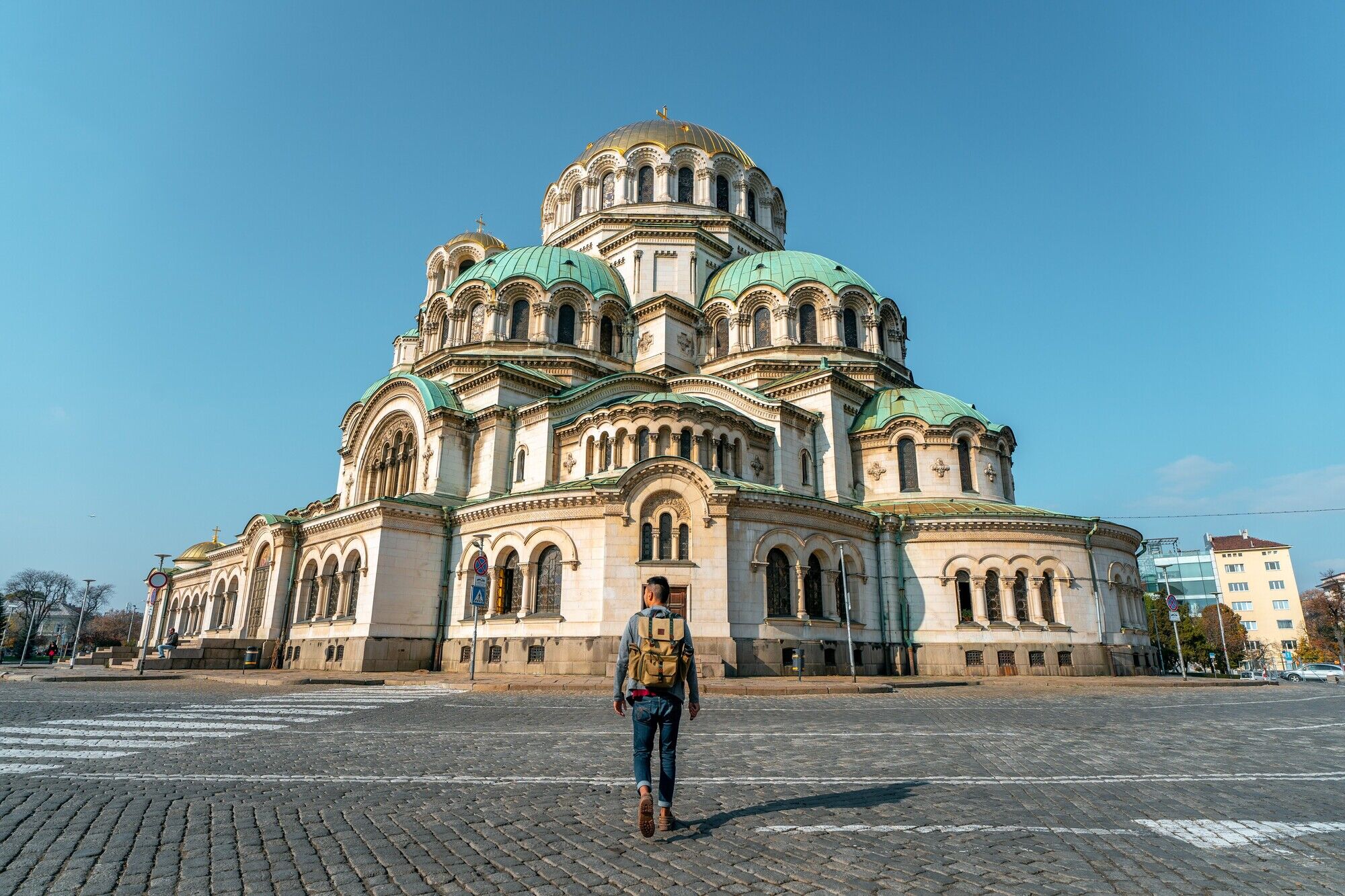
Sofia Travel Guide
Sofia is a captivating capital city that seamlessly blends ancient Roman ruins, onion-domed cathedrals, and communist-era architecture at the foot of the majestic Vitosha Mountain. It is a city of layers, where thousands of years of history meet a vibrant, modern energy defined by its café culture and welcoming spirit.
About Sofia
With a history spanning over 7,000 years, Sofia is one of Europe's oldest cities, having been inhabited by Thracians, Romans, Byzantines, and Ottomans. Known in antiquity as Serdica, it was a favorite city of Emperor Constantine the Great, who famously called it 'my Rome.' After centuries of Ottoman rule, Sofia was liberated in 1878 and designated the capital of the newly independent Bulgarian state in 1879. This transition sparked a period of rapid modernization and urban development, transforming the city into the political, economic, and cultural heart of modern Bulgaria.
Sofia’s culture is a rich tapestry of Eastern Orthodox traditions, Slavic heritage, and a resilient, hospitable local spirit. The city is often called a 'triangle of religious tolerance' because a church, a mosque, and a synagogue—along with a Catholic cathedral—stand in close proximity, symbolizing centuries of peaceful coexistence. The local food scene is a highlight, featuring hearty dishes like _banitsa_ (a flaky cheese pastry) and fresh _shopska_ salad, best enjoyed in traditional taverns known as _mehanas_. The city also boasts a lively arts scene, ranging from classical opera and ballet to a burgeoning street art culture and numerous festivals that celebrate everything from film to ancient pagan rituals.
Practical info
Quick facts
- The city is not named after a saint, but after the 6th-century Church of St. Sofia, which means 'wisdom' in Greek.
- Sofia is one of the few capitals in the world located at the foot of a mountain, with ski slopes and hiking trails just a 20-minute drive from the city center.
- Modern Sofia is built directly on top of the ancient Roman city of Serdica; you can see well-preserved ruins integrated into the city's metro stations and public squares.
- Bulgarians have a unique custom where they nod their heads to mean 'no' and shake them to mean 'yes,' which often surprises visitors.
- The city is incredibly rich in mineral springs, with over 40 thermal deposits located within its territory.
Top things to do in Sofia
The 0 attractions, museums, viewpoints, and experiences travelers visit most.
Frequently asked questions
What currency is used in Sofia?
The currency in Sofia, Bulgaria is Bulgarian Lev (BGN).
What language is spoken in Sofia?
Bulgarian is the primary language spoken in Sofia.
What's the weather like in Sofia?
Humid continental climate with four distinct seasons, featuring cold, snowy winters and warm, pleasant summers.
How many days do you need in Sofia?
Most travelers spend 2–5 days in Sofia. With 0+ attractions and 0+ noteworthy restaurants, three days hits the highlights, while five lets you dig into neighborhoods and day trips. Use the Periplo iPhone app to lay out a day-by-day plan.
What are the must-see things to do in Sofia?
Top picks include Alexander Nevsky Cathedral, Boyana Church, Serdica Archaeological Complex, Vitosha Mountain, Saint George Rotunda.
Plan Sofia in your pocket
Open the Periplo iPhone app for a day-by-day itinerary, offline maps, and live event picks tuned to your taste.
Download on the App Store