history
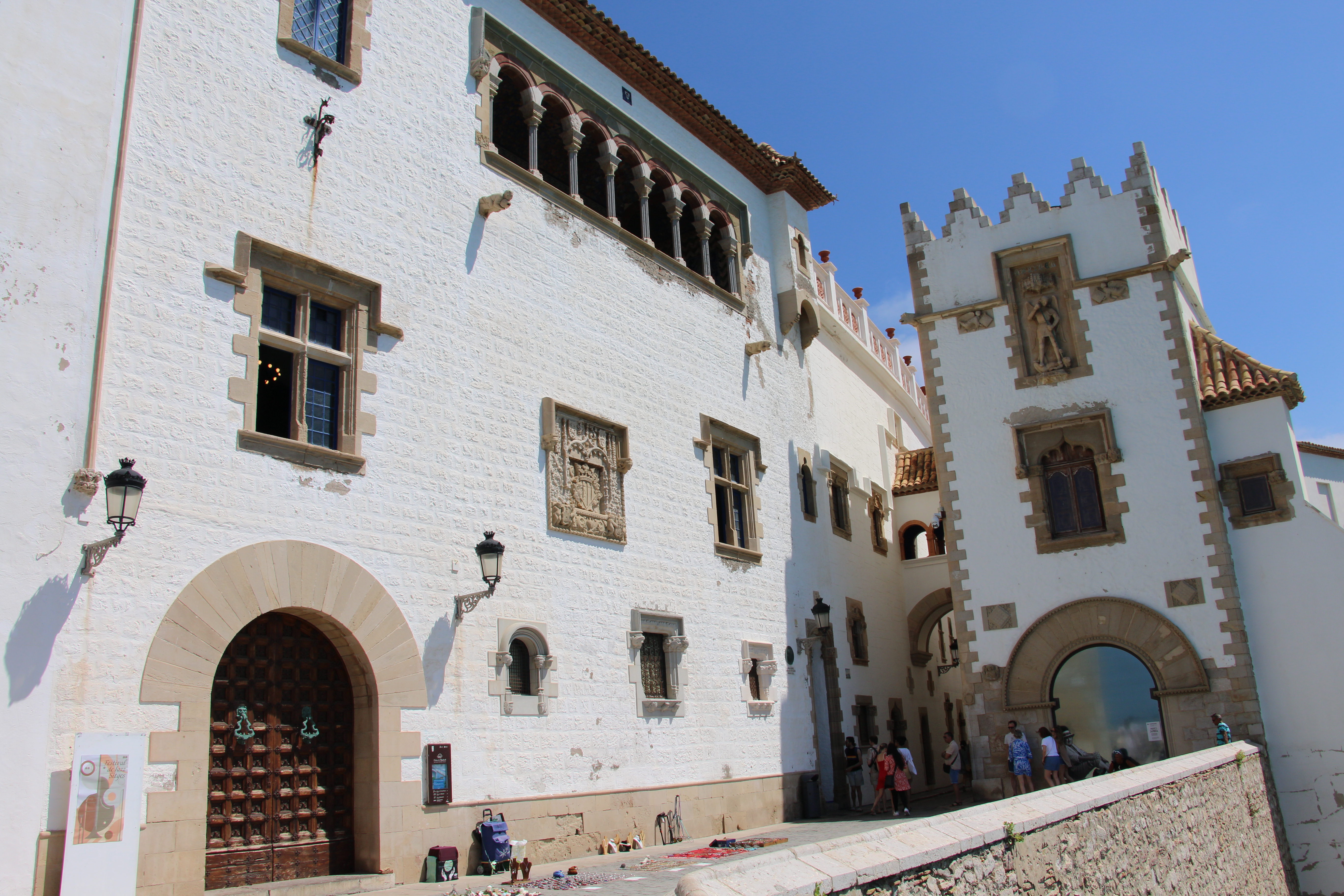
Palau de Maricel
This stunning _Noucentista_ palace is all about the dramatic interiors and those incredible Mediterranean views from the terrace. Don't bother trying to wander in solo; you have…
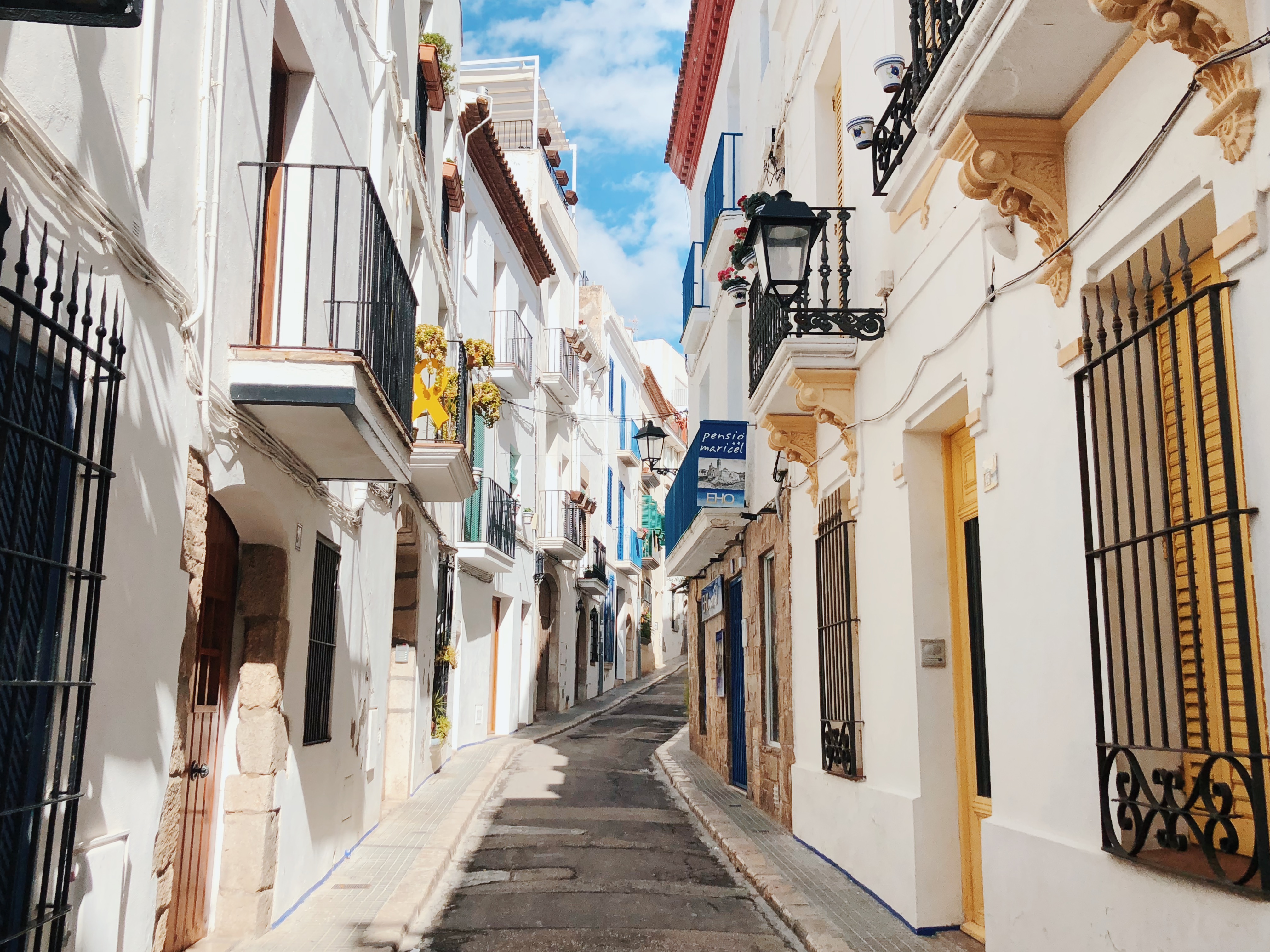
Sitges is a vibrant Mediterranean coastal town renowned for its stunning beaches, rich artistic heritage, and lively cultural calendar. Nestled between the Garraf Massif mountains and the sea, it offers a sophisticated blend of historic charm, bohemian spirit, and modern luxury.
The history of Sitges dates back to Roman times, though it truly flourished during the Middle Ages as a significant maritime and fishing port. Its architectural landscape reflects this diverse past, featuring a mix of medieval, Renaissance, and modernist structures that tell the story of its evolution from a quiet port to a cultural hub. In the late 19th century, the town transformed into a sanctuary for bohemian artists and intellectuals, most notably the painter Santiago Rusiñol, which laid the foundation for its reputation as a center for Catalan Modernism. By the 1960s, it had become a beacon of counterculture in Spain, earning the nickname 'Ibiza in miniature' and cementing its status as a progressive, welcoming destination.
Sitges boasts a deeply ingrained artistic and festive culture, celebrated through events like the world-famous Sitges Film Festival and its spectacular, colorful Carnival. The town is widely recognized as a highly inclusive and welcoming destination, particularly for the LGBTQ+ community, and maintains a sophisticated yet relaxed atmosphere that attracts visitors from across the globe. The local food scene is a highlight, deeply rooted in Mediterranean traditions and the regional wine industry. Visitors should not miss 'xató', a traditional local salad, or the sweet 'Malvasia' wine, which has been produced in the area since the 14th century and remains a point of local pride.
The 1 attractions, museums, viewpoints, and experiences travelers visit most.
This stunning _Noucentista_ palace is all about the dramatic interiors and those incredible Mediterranean views from the terrace. Don't bother trying to wander in solo; you have…
4 restaurants, cafés, and food spots — local picks, not tourist traps.
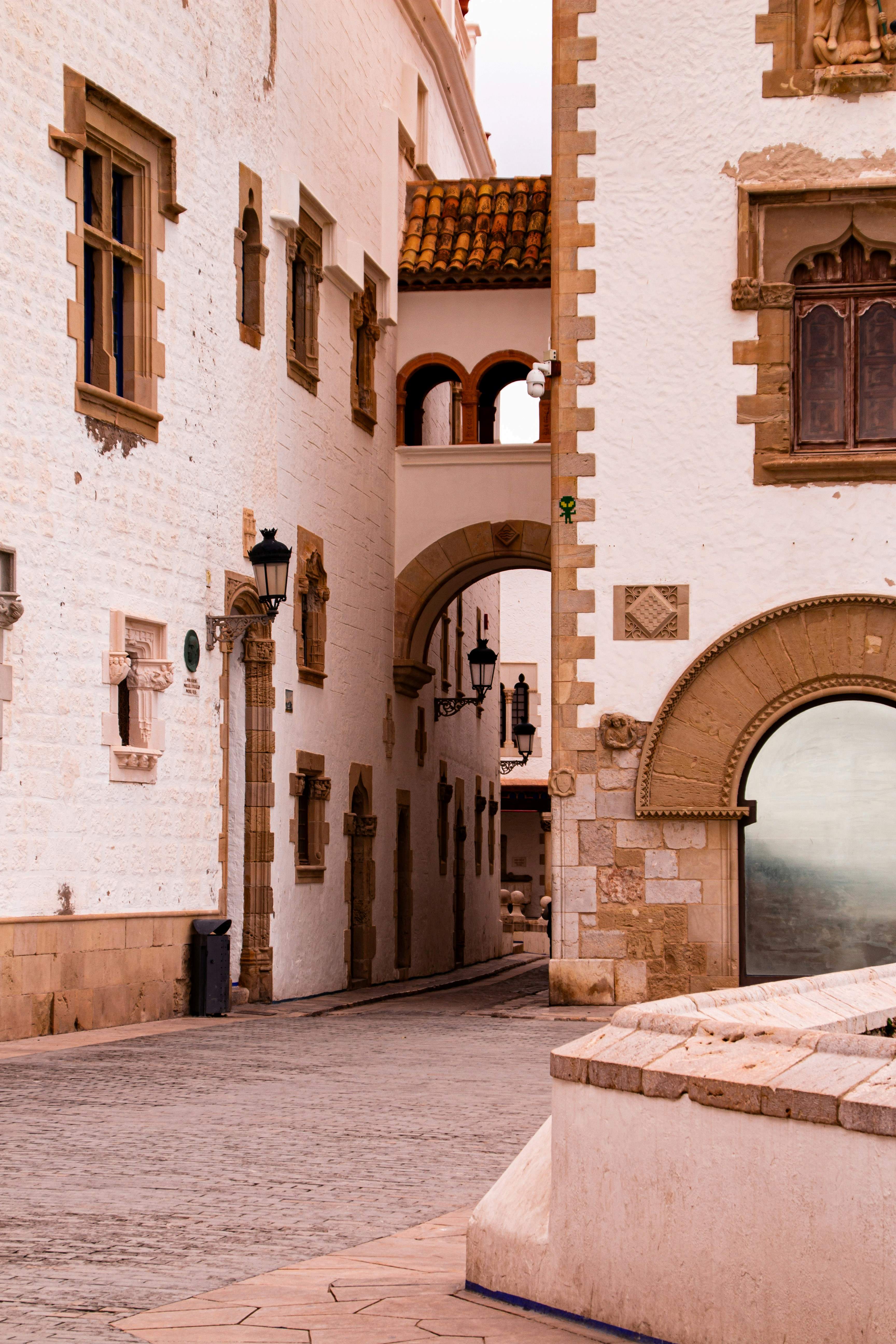
This is a local institution that has been serving up legendary tapas since 1940, and it's almost always packed with a lively mix of residents and visitors.…
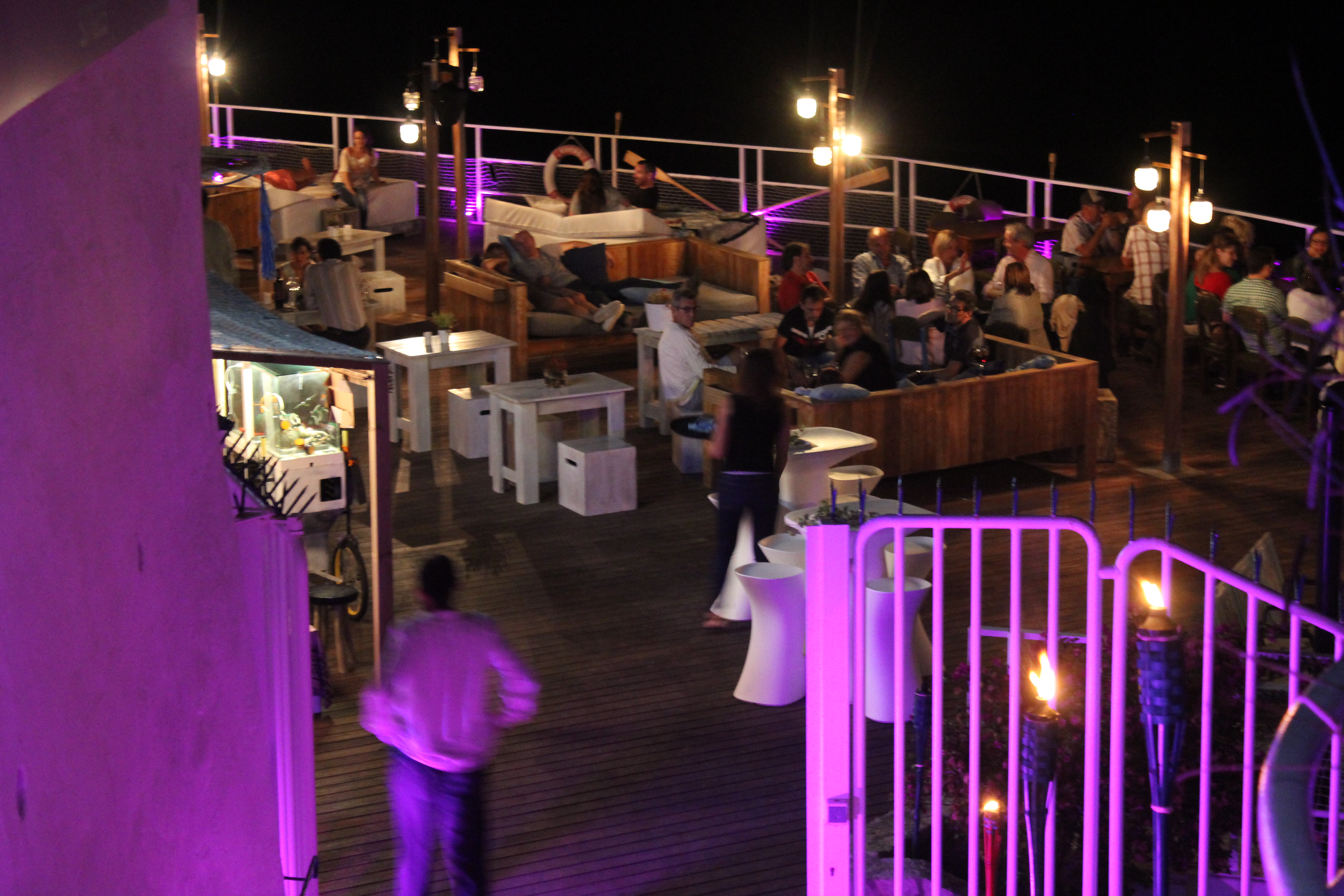
This spot is all about the sea views and the breeze, sitting right on the cliffs overlooking the Mediterranean. It's the perfect place to linger over a long…
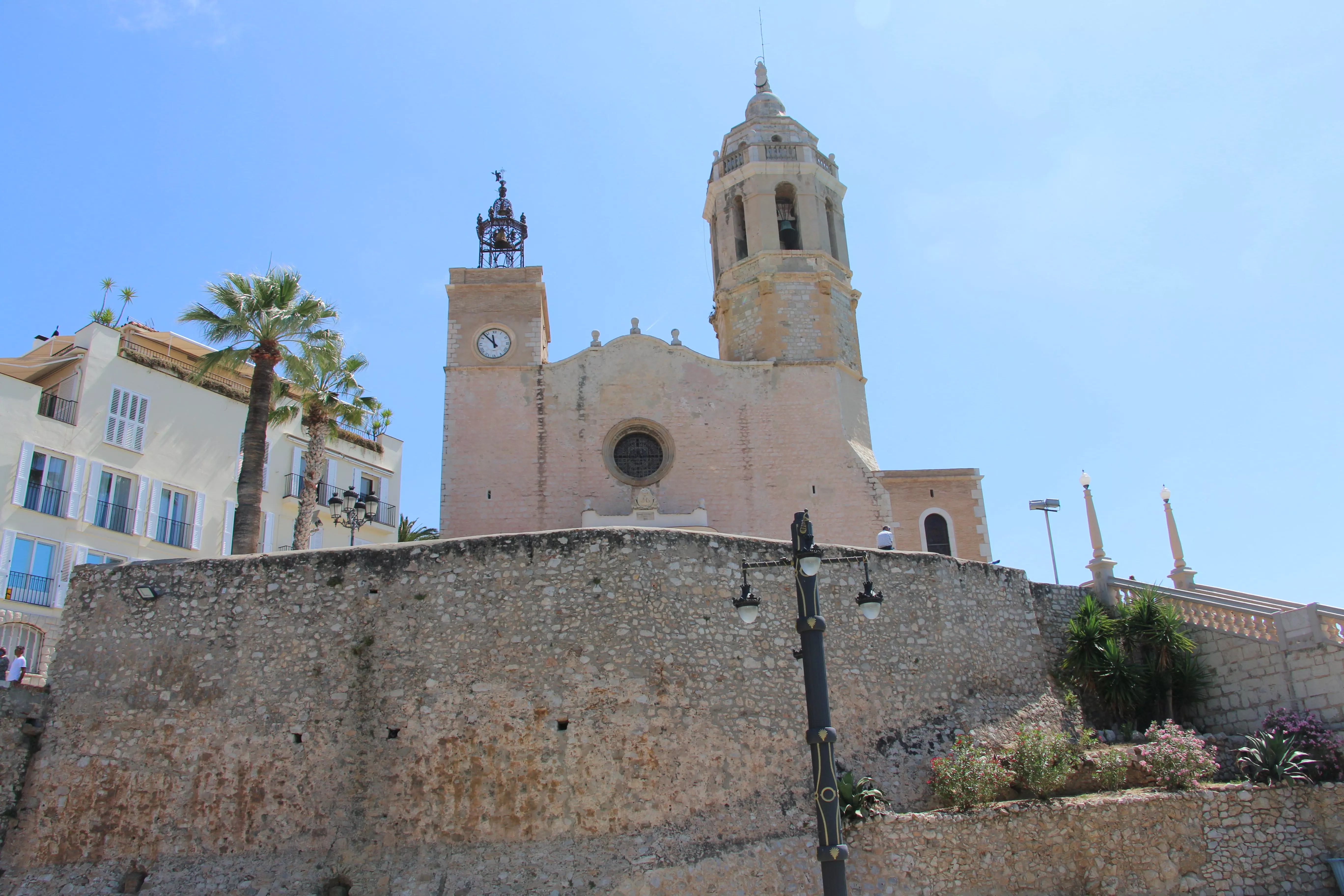
An institution right at the foot of the church steps, this place offers a refined take on local seafood with a terrace that is hard to beat. It is the kind of…
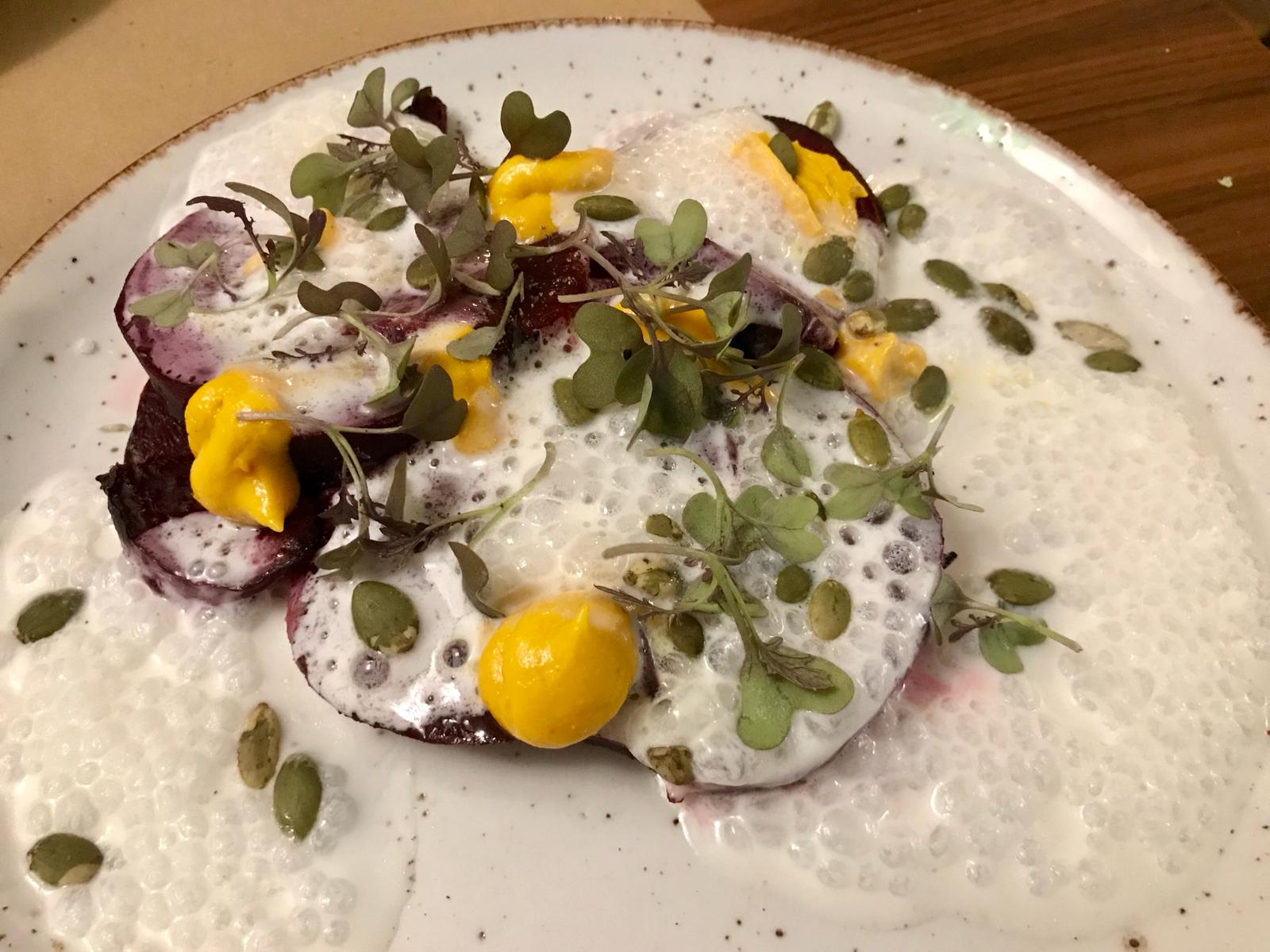
This is where you go for creative, fusion-style tapas that actually surprise you, far from the typical tourist traps. The menu changes frequently to keep…
The currency in Sitges, Spain is Euro (EUR).
Catalan, Spanish is the primary language spoken in Sitges.
Mediterranean climate with mild, humid winters and warm, dry summers.
Most travelers spend 2–5 days in Sitges. With 1+ attractions and 8+ noteworthy restaurants, three days hits the highlights, while five lets you dig into neighborhoods and day trips. Use the Periplo iPhone app to lay out a day-by-day plan.
Top picks include Church of Sant Bartomeu i Santa Tecla, Cau Ferrat Museum, Palau de Maricel, Museu de Maricel, Platja de la Ribera.
Open the Periplo iPhone app for a day-by-day itinerary, offline maps, and live event picks tuned to your taste.
Download on the App Store