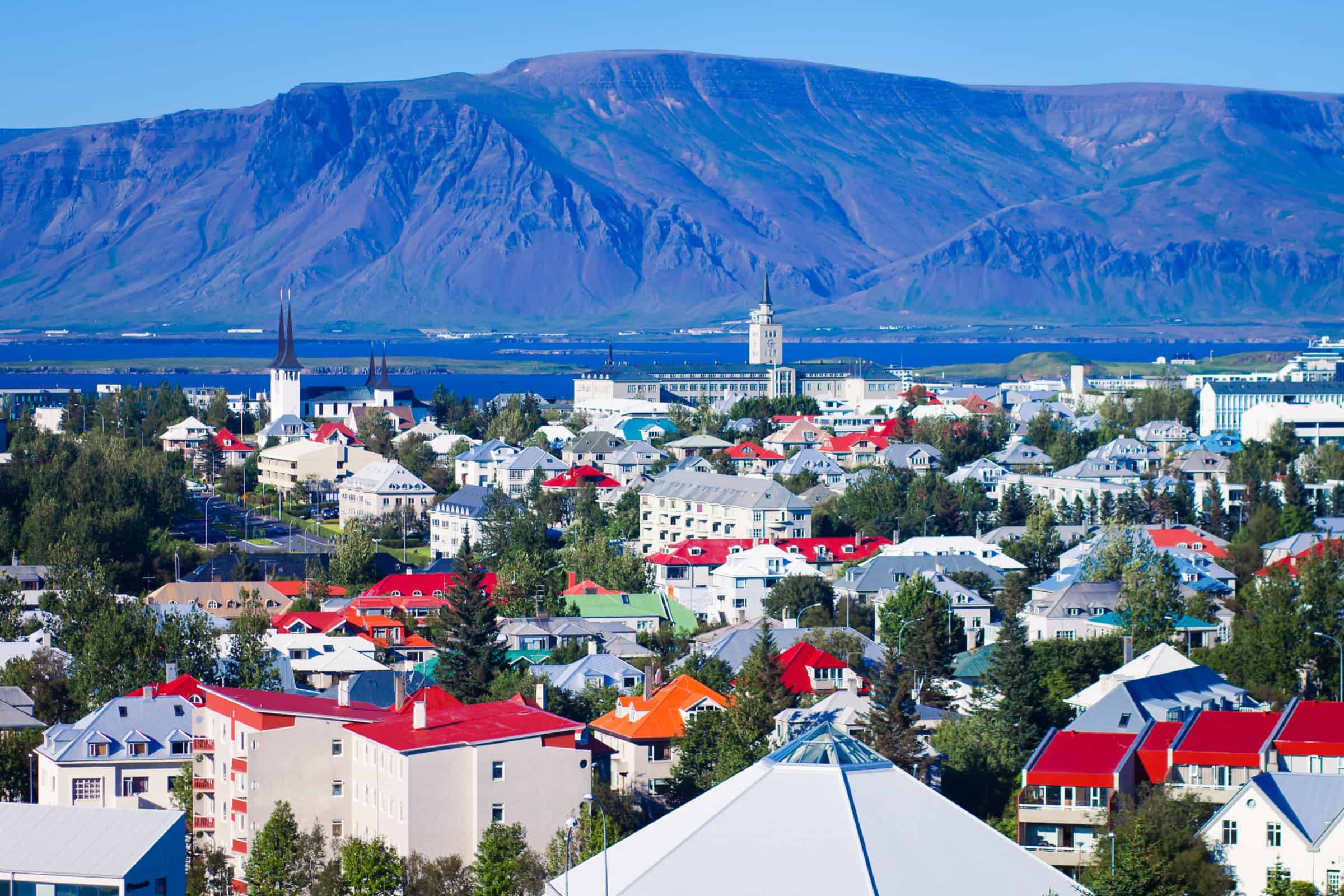
Reykjavik Travel Guide
Reykjavik is the world's northernmost capital, a vibrant and creative city that perfectly balances its deep-rooted Viking heritage with modern, sustainable innovation. Nestled on the coast of Faxaflói Bay, it serves as the gateway to Iceland's dramatic landscapes of glaciers, volcanoes, and geothermal wonders.
About Reykjavik
Reykjavik traces its origins to 874 AD when the Norseman Ingólfur Arnarson became the first permanent settler in Iceland, naming the area 'Smoky Bay' for the steam rising from its geothermal vents. For centuries, it remained a quiet, isolated farming village until the 18th century, when the Danish government established it as a trading post to stimulate the local economy. The city blossomed into a true political and cultural center during the late 19th century as Icelandic nationalism surged. It officially became the capital upon the declaration of the Republic of Iceland in 1944, and the subsequent decades saw rapid modernization fueled by urban migration and infrastructure development, transforming it into the cosmopolitan hub it is today.
The culture of Reykjavik is defined by a resilient, creative spirit that thrives despite the harsh subarctic climate. Locals have a deep love for literature, music, and the arts, often gathering in cozy cafés or the city's ubiquitous geothermal public pools, which serve as the true social heart of the community. The food scene is a fascinating mix of traditional Nordic staples—like fresh Atlantic seafood and fermented shark—and a modern, experimental culinary movement that emphasizes local, sustainable ingredients. Traditions are heavily influenced by the island's folklore and the dramatic shifts in daylight, from the endless 'midnight sun' of summer to the dancing aurora borealis of winter. The city is also known for its progressive, inclusive atmosphere and a thriving nightlife that punches well above its weight for a city of its size.
Practical info
Quick facts
- Reykjavik is the only capital city in the world that is home to a wild puffin colony.
- It is the only Western European capital that does not have a single McDonald's restaurant.
- Dogs were strictly banned within city limits from 1924 to 1984.
- The city is powered almost entirely by renewable geothermal and hydroelectric energy, making it one of the cleanest capitals on Earth.
Top things to do in Reykjavik
The 0 attractions, museums, viewpoints, and experiences travelers visit most.
Frequently asked questions
What currency is used in Reykjavik?
The currency in Reykjavik, Iceland is Icelandic Króna (ISK).
What language is spoken in Reykjavik?
Icelandic is the primary language spoken in Reykjavik.
What's the weather like in Reykjavik?
Subpolar oceanic climate with cool summers and relatively mild, windy winters.
How many days do you need in Reykjavik?
Most travelers spend 2–5 days in Reykjavik. With 1+ attractions and 6+ noteworthy restaurants, three days hits the highlights, while five lets you dig into neighborhoods and day trips. Use the Periplo iPhone app to lay out a day-by-day plan.
What are the must-see things to do in Reykjavik?
Top picks include Hallgrímskirkja Church, Harpa Concert Hall and Conference Centre, Perlan Interactive Nature Museum, The Sun Voyager (Sólfar), Laugardalslaug Geothermal Pool.
Plan Reykjavik in your pocket
Open the Periplo iPhone app for a day-by-day itinerary, offline maps, and live event picks tuned to your taste.
Download on the App Store