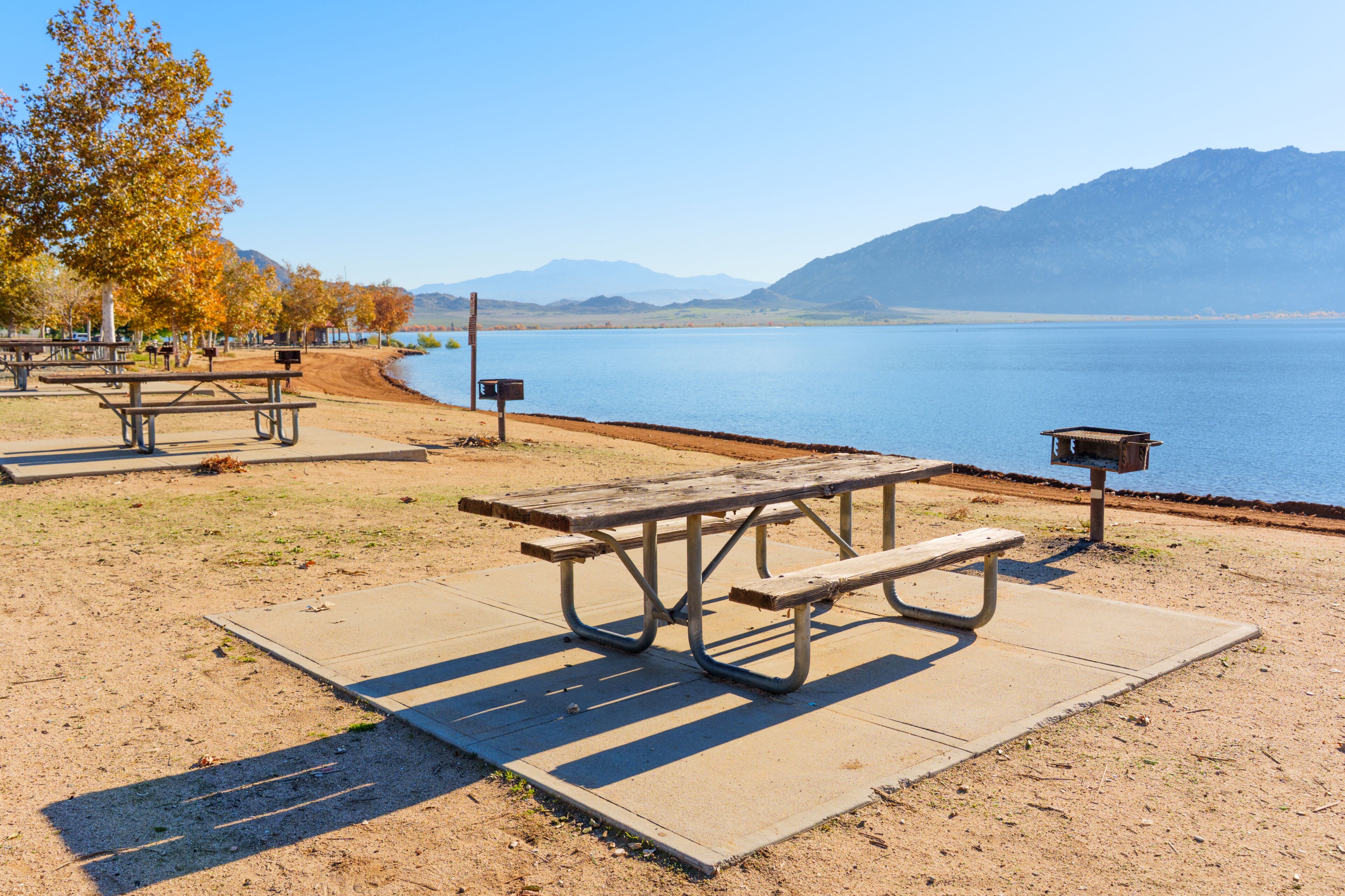
Moreno Valley Travel Guide
Moreno Valley is a vibrant, rapidly growing city in California's Inland Empire that seamlessly blends suburban convenience with stunning natural landscapes. It serves as a gateway to Southern California's diverse terrain, offering residents and visitors easy access to mountains, deserts, and coastal attractions.
About Moreno Valley
The area has been inhabited for over 2,300 years, originally by indigenous peoples including the Luiseño, Cahuilla, and Serrano tribes, who left behind numerous archaeological sites such as milling stations and rock art. In the late 19th century, the town of Moreno was established, named after Frank E. Brown (the Spanish word 'moreno' means brown), though early development struggled due to water scarcity. The modern city of Moreno Valley was officially incorporated on December 3, 1984, uniting the three rural communities of Moreno, Sunnymead, and Edgemont. The city's growth was significantly influenced by the presence of the March Air Reserve Base, which has played a crucial role in regional history and the local economy since its founding as March Field in 1918.
Moreno Valley boasts a diverse, multicultural population that is reflected in its eclectic culinary scene, ranging from authentic Mexican taquerias and Vietnamese pho houses to trendy, farm-to-table eateries. The city fosters a strong sense of community through local arts festivals, farmers' markets, and public events that celebrate its unique heritage and growth. Outdoor culture is a cornerstone of life here, with residents frequently taking advantage of the region's mild climate to hike, bike, and explore the surrounding natural reserves. The city also maintains a deep connection to its military history, with the March Field Air Museum serving as a major cultural and educational landmark.
Practical info
Quick facts
- The city's name, Moreno, is Spanish for 'brown' or 'brunet,' chosen to honor Frank E. Brown, a key figure in the area's early water development.
- Moreno Valley is home to a massive, iconic letter 'M' constructed on the side of Box Springs Mountain, which serves as a prominent local landmark.
- The area contains over 200 prehistoric archaeological sites, including ancient rock art and 'slicks' used by indigenous people to grind seeds.
- The city was once one of the fastest-growing municipalities in the United States following its incorporation in the 1980s.
- The March Air Reserve Base features one of the longest airstrips in Southern California, reflecting its historical significance in military aviation.
Top things to do in Moreno Valley
The 0 attractions, museums, viewpoints, and experiences travelers visit most.
Nearby destinations
Frequently asked questions
What currency is used in Moreno Valley?
The currency in Moreno Valley, United States is United States Dollar (USD).
What language is spoken in Moreno Valley?
English (Spanish is also widely spoken) is the primary language spoken in Moreno Valley.
What's the weather like in Moreno Valley?
Mild semi-arid climate with hot, dry summers and mild winters.
How many days do you need in Moreno Valley?
Most travelers spend 2–5 days in Moreno Valley. With 0+ attractions and 0+ noteworthy restaurants, three days hits the highlights, while five lets you dig into neighborhoods and day trips. Use the Periplo iPhone app to lay out a day-by-day plan.
What are the must-see things to do in Moreno Valley?
Top picks include March Field Air Museum, Box Springs Mountain Reserve, Lake Perris State Recreation Area, Moreno Valley Mall, Sycamore Canyon Wilderness Park.
Plan Moreno Valley in your pocket
Open the Periplo iPhone app for a day-by-day itinerary, offline maps, and live event picks tuned to your taste.
Download on the App Store