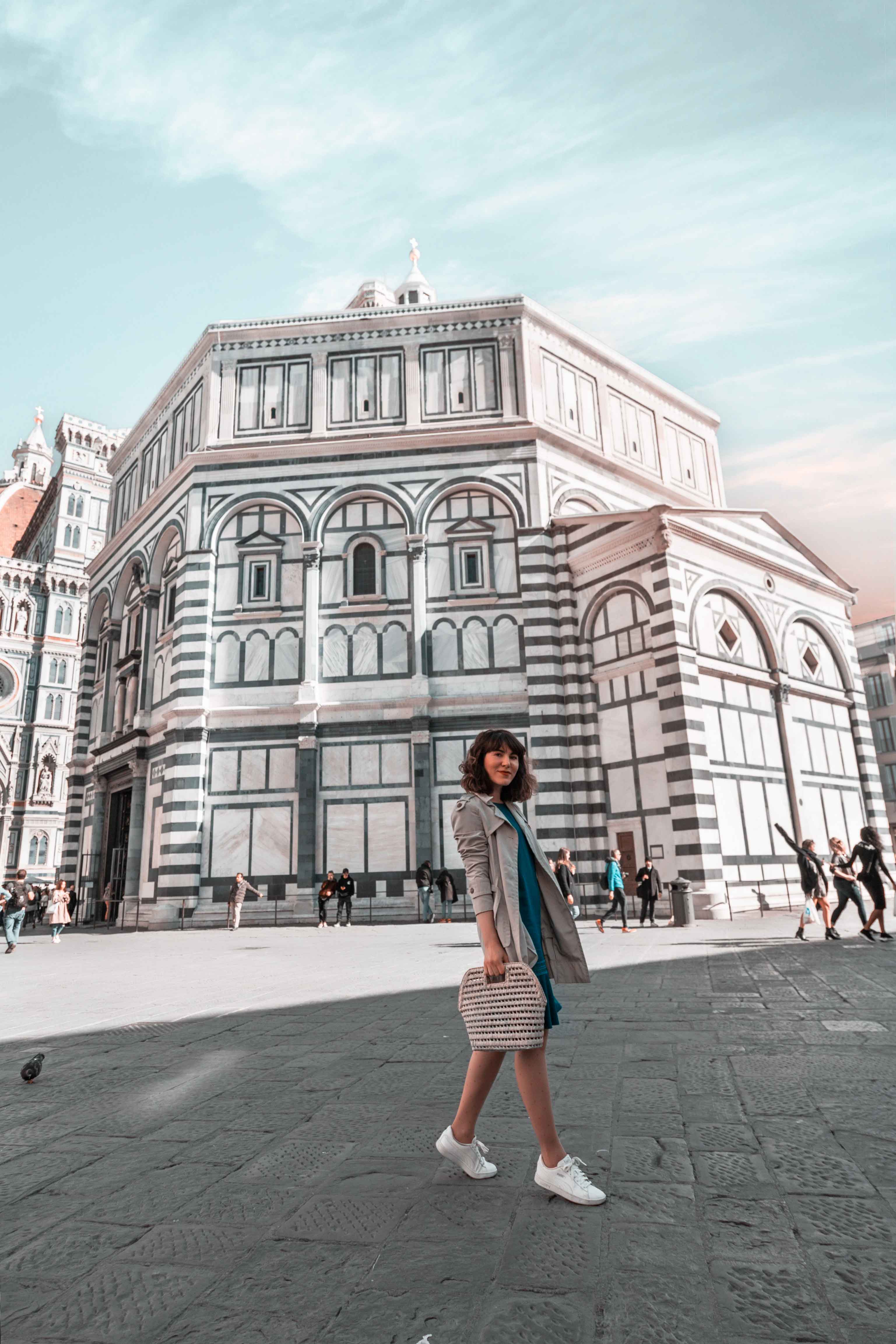
Florence Travel Guide
Florence is the breathtaking cradle of the Renaissance, a city where world-class art and architecture are woven into the very fabric of daily life. Walking its historic streets feels like stepping into a living museum, where every corner reveals a masterpiece from history's greatest visionaries.
About Florence
Founded as a Roman military colony named Florentia in 59 BCE, the city eventually blossomed into a powerhouse of medieval trade and banking. Its true golden age arrived during the 14th to 16th centuries, when the immense wealth and patronage of the Medici family transformed Florence into the epicenter of the Renaissance, attracting legendary figures like Michelangelo, Leonardo da Vinci, and Botticelli. Throughout the centuries, Florence has remained a vital cultural and political hub, even serving as the capital of the Kingdom of Italy from 1865 to 1871. Despite the devastation of World War II, which saw the destruction of many historic bridges and buildings, the city has meticulously preserved its architectural heritage, maintaining its status as a global icon of beauty and human achievement.
Florentine culture is a sophisticated blend of deep-rooted tradition and artistic passion, where courtesy and style are paramount. Locals take immense pride in their heritage, which is reflected in everything from the meticulous preservation of their historic center to the vibrant, artisanal workshops found in the Oltrarno district, where traditional crafts like leatherworking and gold-smithing still flourish. The food scene is a testament to the Tuscan philosophy of simplicity and quality, focusing on fresh, local ingredients. Iconic dishes like *bistecca alla fiorentina* (a massive, thick-cut T-bone steak) and hearty ribollita soup are staples, best enjoyed with a glass of robust Chianti wine. Dining here is an art form, meant to be savored slowly in bustling trattorias or elegant piazzas.
Practical info
Quick facts
- The Florentine dialect spoken in the 14th century became the foundation for the modern Italian language, thanks to literary giants like Dante Alighieri.
- During the German retreat in 1944, the Ponte Vecchio was the only bridge in Florence spared from destruction, reportedly because it was too beautiful to be blown up.
- The Galileo Science Museum houses one of Galileo Galilei's actual fingers, preserved as a relic of scientific history.
- Brunelleschi's dome on the Florence Cathedral remains the largest masonry vault in the world, a feat of engineering that experts still marvel at today.
- Florence was the first city in Europe to pave its streets in the 1300s, a sign of its immense wealth and civic pride at the time.
Top things to do in Florence
The 0 attractions, museums, viewpoints, and experiences travelers visit most.
Nearby destinations
Frequently asked questions
What currency is used in Florence?
The currency in Florence, Italy is Euro (EUR).
What language is spoken in Florence?
Italian is the primary language spoken in Florence.
What's the weather like in Florence?
Humid subtropical climate with hot, humid summers and cool, rainy winters.
How many days do you need in Florence?
Most travelers spend 2–5 days in Florence. With 0+ attractions and 0+ noteworthy restaurants, three days hits the highlights, while five lets you dig into neighborhoods and day trips. Use the Periplo iPhone app to lay out a day-by-day plan.
What are the must-see things to do in Florence?
Top picks include Florence Cathedral (The Duomo), Uffizi Gallery, Accademia Gallery, Ponte Vecchio, Palazzo Vecchio.
Plan Florence in your pocket
Open the Periplo iPhone app for a day-by-day itinerary, offline maps, and live event picks tuned to your taste.
Download on the App Store