Live picks
See what's on in Valencia right now — must-see spots, food, and events
Open →
Overview
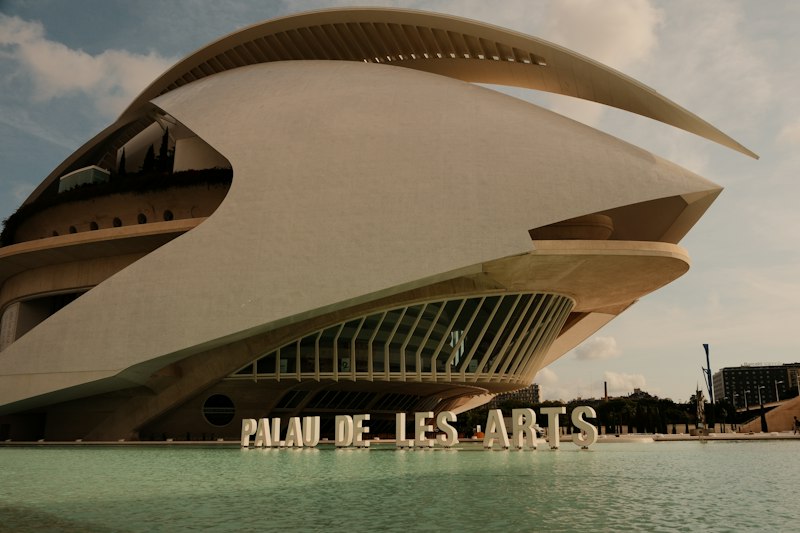
Valencia is where paella was born, where a futuristic arts complex rises from a drained riverbed, and where Mediterranean beaches meet a charming old town. The City of Arts and Sciences — designed by local architect Santiago Calatrava — is one of Europe's most striking modern landmarks. The old town hides the stunning Silk Exchange (a UNESCO site), the Central Market with over 1,000 stalls, and a cathedral that claims to hold the Holy Grail. Valencia moves at a gentler pace than Barcelona or Madrid, with lower prices and fewer tourists. This 3-day itinerary covers the city's architectural marvels, culinary traditions, and beach culture, with time to explore the vibrant Ruzafa neighborhood where locals gather at sidewalk cafes.
Highlights
- 1Wander the old town — visit the Cathedral, Central Market, and La Lonja de la Seda (Silk Exchange)
- 2Spend the afternoon at the City of Arts and Sciences, including the Oceanogràfic aquarium
- 3Eat paella on Malvarrosa Beach, explore Ruzafa's cafes and street art, then cycle the Turia Gardens
Best Time to Visit
Spring and early autumn are ideal with warm temperatures and clear skies. Las Fallas festival in March is spectacular but extremely crowded. Summer is hot (35°C+) but perfect for beach days. Winters are mild and very quiet.
Travel Tips
- •Authentic Valencian paella uses chicken, rabbit, and beans — not seafood (that's a different dish called arroz a banda)
- •Rent a bike to ride the 9 km Turia Gardens, a park built in a former riverbed that runs across the city
- •The Valencia Tourist Card includes free public transport, museum entries, and restaurant discounts
- •Visit the Central Market before noon when it's freshest and most lively — it closes at 2:30 PM
Frequently Asked Questions
Is Valencia expensive?
Valencia is one of Spain's best-value cities, significantly cheaper than Barcelona or Madrid. Budget travelers can manage on $45-65/day with hostels and menu del día lunches. Mid-range visitors should plan $100-160/day for comfortable hotels and restaurant dining.
Do I need a visa for Spain?
US, UK, Canadian, and Australian citizens can visit Spain visa-free for up to 90 days under Schengen rules. Valencia's airport has connections to many European cities, and the city is also reachable by high-speed AVE train from Madrid in under 2 hours.
Is Valencia safe for tourists?
Valencia is very safe with a relaxed Mediterranean atmosphere. Petty theft can occur on the beach and in the old town but is less common than in Barcelona. The main safety concern is strong sun — UV protection is essential from May through September.
How many days do you need in Valencia?
Three days covers the City of Arts and Sciences, the historic center with the Cathedral and La Lonja, the Central Market, Turia Gardens, and a paella lunch in El Cabanyal. Add a day for the Albufera nature reserve or beach time at Malvarrosa.
What is the best area to stay in Valencia?
El Carmen in the old town is the most atmospheric area with narrow medieval streets and lively nightlife. Ruzafa is the trendy neighborhood with independent restaurants and cafes, while the City of Arts and Sciences area suits families wanting modern hotels near the futuristic complex.