Live picks
See what's on in Sri Lanka right now — must-see spots, food, and events
Open →
Overview
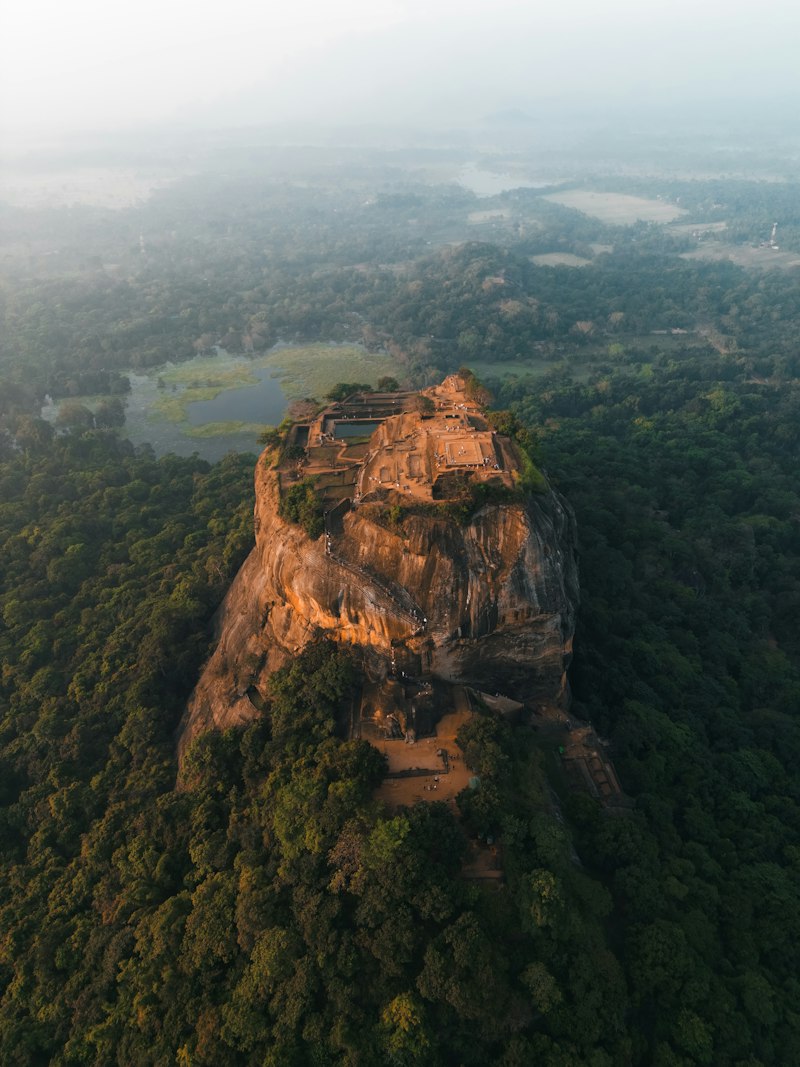
Sri Lanka packs an extraordinary amount of diversity into an island smaller than Ireland. Ancient cities like Sigiriya, with its dramatic rock fortress, and the sacred Temple of the Tooth in Kandy reveal a civilization stretching back over 2,000 years. The hill country around Ella and Nuwara Eliya is carpeted with emerald tea plantations, connected by one of the world's most scenic train rides. Yala National Park offers some of the best leopard-spotting opportunities anywhere, while Udawalawe guarantees elephant sightings. The southern and eastern coastlines are fringed with palm-lined beaches perfect for surfing and snorkeling. Sri Lankan cuisine is a revelation of complex curries, hoppers, kottu roti, and tropical fruits. The people are famously welcoming, and travel between destinations is straightforward by train and tuk-tuk. Seven days allows a satisfying circuit from the Cultural Triangle through the hill country to the southern beaches, capturing the island's remarkable range.
Highlights
- 1Climb Sigiriya Rock Fortress and explore the ancient ruins of Polonnaruwa in the Cultural Triangle
- 2Visit the Temple of the Tooth in Kandy and watch a traditional Kandyan dance performance
- 3Ride the scenic train from Kandy to Ella through tea plantations and misty mountain passes
- 4Hike Little Adam's Peak and Nine Arches Bridge in Ella, then visit a working tea factory
- 5Safari in Yala National Park searching for leopards, elephants, and crocodiles
- 6Relax on the beaches of Mirissa or Unawatuna, with optional whale watching from Mirissa harbor
- 7Explore the colonial charm of Galle Fort, a UNESCO World Heritage Site on the southern coast
Best Time to Visit
The west and south coasts and hill country are best from December to March. The east coast is best from April to September. The Cultural Triangle is pleasant year-round but ideal from January to April with less rain.
Travel Tips
- •Take the train from Kandy to Ella — book second class reserved seats in advance for window views
- •Hire a private driver for the Cultural Triangle portion as public transport between ancient cities is slow
- •Carry small US dollar bills for tips and entrance fees, though Sri Lankan rupees are preferred for everyday purchases
- •Cover your shoulders and knees at Buddhist temples, and always remove your shoes before entering
- •Try a traditional rice and curry lunch plate — most local restaurants serve generous portions for under $3
Frequently Asked Questions
Is Sri Lanka expensive?
Sri Lanka is very affordable for international visitors. Budget travelers can manage on $25-40/day with guesthouses, local buses, and rice-and-curry meals. Mid-range visitors can enjoy boutique hotels, private drivers, and restaurant dining for $60-120/day.
Do I need a visa for Sri Lanka?
Most nationalities including US, UK, EU, Canadian, and Australian citizens need an ETA (Electronic Travel Authorization) obtainable online for about $50 before travel. The visa allows a 30-day stay and can be extended to 90 days within Sri Lanka.
Is Sri Lanka safe for tourists?
Sri Lanka is generally safe for tourists. Road safety is the main concern as driving can be chaotic — hiring a private driver is common and affordable. The country has fully recovered from past civil conflict, and tourist areas throughout the island are safe.
How many days do you need in Sri Lanka?
Seven to ten days lets you cover the Cultural Triangle (Sigiriya, Dambulla), Kandy, the hill country tea plantations, and southern beaches. A week covers the highlights, while two weeks allows for wildlife safaris in Yala and time on the less-visited east coast.
What is the best area to start in Sri Lanka?
Colombo is the main arrival point and worth one to two days for its food scene and colonial heritage. Most itineraries then head to the Cultural Triangle around Sigiriya and Dambulla. The southern coast (Galle, Unawatuna, Mirissa) offers beach time and whale watching.