Live picks
See what's on in Munich right now — must-see spots, food, and events
Open →
Overview
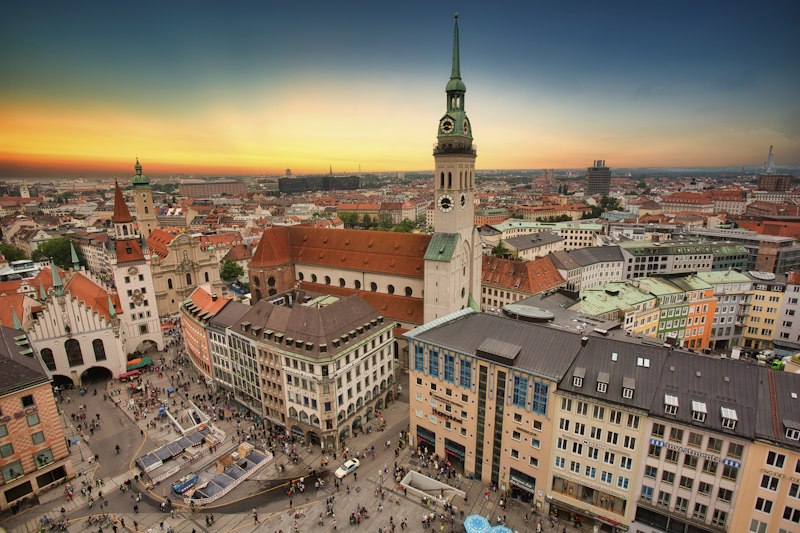
Munich combines Bavarian tradition with cosmopolitan sophistication in a way no other German city matches. Three days lets you experience the legendary beer hall culture at Hofbräuhaus, explore the vast Nymphenburg Palace, and wander through the Englischer Garten — one of the world's largest urban parks where locals surf a standing river wave year-round. Marienplatz, the city's central square, features the mechanical Glockenspiel performance at the New Town Hall, while the nearby Viktualienmarkt offers artisan food stalls under chestnut trees. Munich's museum scene is world-class: the Pinakothek trio houses masterworks from the Old Masters through contemporary art, and the Deutsches Museum is the largest science and technology museum on earth. The Alps are visible from the city on clear days and reachable in under an hour for day trips. Munich's culinary identity revolves around Weißwurst, pretzels, and wheat beer — best enjoyed in a traditional beer garden.
Highlights
- 1Explore Marienplatz, watch the Glockenspiel, visit the Viktualienmarkt, and experience Hofbräuhaus in the evening
- 2Tour Nymphenburg Palace and gardens, then visit the Pinakothek museums and stroll through the university quarter
- 3Relax in the Englischer Garten, watch the Eisbach river surfers, and enjoy a traditional beer garden lunch under the trees
Best Time to Visit
June through September offers warm weather (20-25°C) and peak beer garden season. Late September through early October brings Oktoberfest — book accommodation six months ahead and expect premium prices. December features magical Christmas markets throughout the city center. Spring (April-May) is pleasant with blooming parks.
Travel Tips
- •In beer halls and beer gardens, it's customary to share tables with strangers — just ask 'Ist hier noch frei?' (Is this seat free?)
- •A Mass (one-liter beer) at Hofbräuhaus costs around twelve euros; beer gardens are cheaper and you can bring your own food to outdoor tables
- •The Bayern ticket covers unlimited regional train travel for groups of up to 5 people — ideal for day trips to Neuschwanstein or Salzburg
- •Munich's MVV public transport is divided into zones; most attractions are in the inner zone (Zone M)
Frequently Asked Questions
Is Munich expensive?
Munich is one of Germany's most expensive cities. Budget travelers can manage on $80-110/day with hostels and beer garden meals. Mid-range visitors should budget $170-240/day. Beer in beer halls is reasonably priced, but hotel rooms can be costly year-round.
Do I need a visa for Germany?
US, UK, Canadian, and Australian citizens can visit Germany visa-free for up to 90 days under Schengen rules. Germany uses the euro, and Munich is more card-friendly than many German cities, though carrying some cash is still advisable for beer halls and markets.
Is Munich safe for tourists?
Munich is extremely safe and consistently ranked among the safest large cities in Germany. Even the famous beer halls and Oktoberfest are well-policed. The main risk is petty theft during crowded events, so keep valuables secure in busy areas.
How many days do you need in Munich?
Three days covers the major attractions including Marienplatz, the Residenz, English Garden, and the Deutsches Museum. Add extra days for day trips to Neuschwanstein Castle, Dachau Memorial, or a visit to the Bavarian Alps.
What is the best area to stay in Munich?
Altstadt (Old Town) near Marienplatz is the most convenient for sightseeing and beer hall visits. Maxvorstadt near the university has a youthful vibe with museums and affordable dining, while Schwabing offers a bohemian atmosphere with tree-lined streets and cafes.