Live picks
See what's on in Nadi right now — must-see spots, food, and events
Open →
Overview
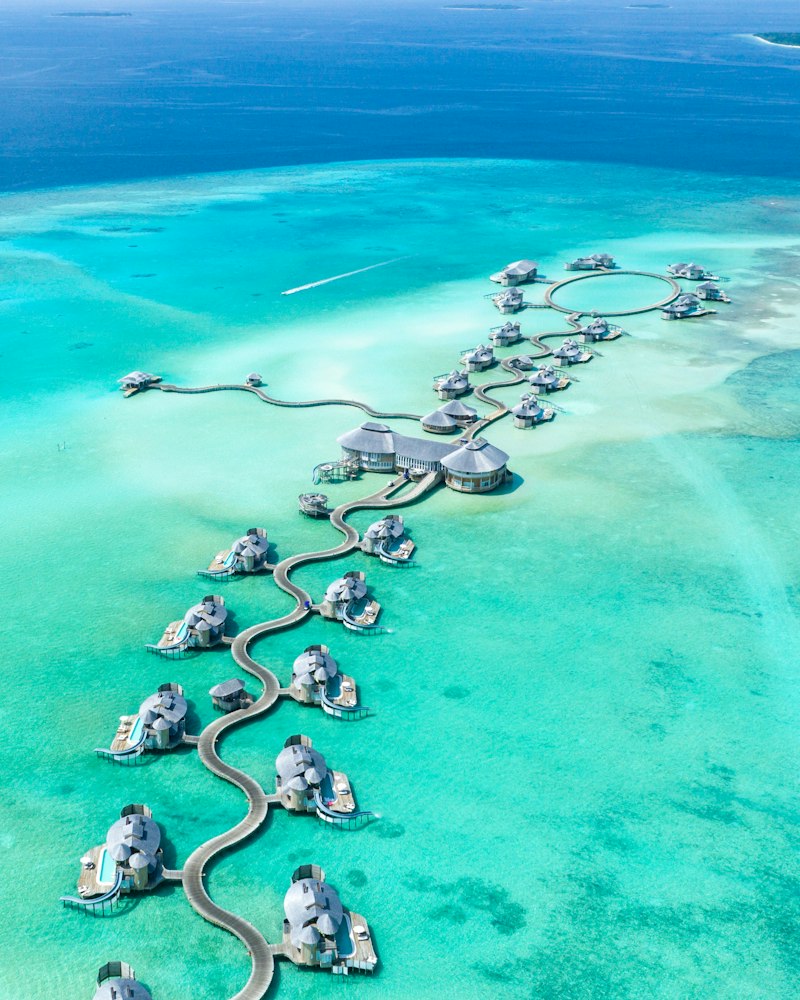
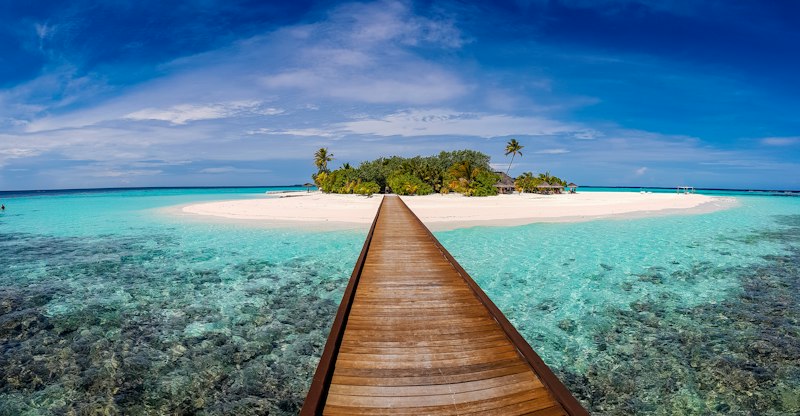
Fiji is a South Pacific paradise comprising over 330 islands, where turquoise lagoons, palm-fringed beaches, and vibrant coral reefs create one of the most idyllic tropical destinations on Earth. The warmth of the Fijian people is legendary, with the greeting Bula delivered with genuine joy and hospitality that makes every visitor feel like family. The main island of Viti Levu is home to the international gateway city of Nadi and offers access to the stunning Mamanuca and Yasawa island groups, each with their own character and charm. The Mamanucas are famous for their resort islands and excellent snorkeling, while the more remote Yasawas offer pristine beaches, traditional village visits, and dramatic volcanic landscapes. Beneath the waves, Fiji is known as the soft coral capital of the world, with spectacular dive sites teeming with tropical fish, manta rays, and reef sharks. On land, the lush interiors of the larger islands offer waterfalls, hot springs, and the chance to experience a traditional kava ceremony in a Fijian village. The cuisine blends Polynesian, Indian, and Chinese influences, with fresh seafood, kokoda (Fijian ceviche), and lovo feasts cooked in underground earth ovens. Five days allows you to island hop, snorkel world-class reefs, and immerse yourself in the famously warm Fijian culture.
Highlights
- 1Arrive in Nadi, visit the Sri Siva Subramaniya temple, and enjoy a traditional Fijian welcome dinner with kava ceremony
- 2Transfer to the Mamanuca Islands for snorkeling on pristine coral reefs and relaxing on white-sand beaches
- 3Take a day trip to a remote island for kayaking, paddleboarding, and a beach barbecue lunch with fresh seafood
- 4Visit a traditional Fijian village to experience a kava ceremony, learn about local customs, and enjoy a lovo feast
- 5Enjoy a final morning of snorkeling or diving, visit the Sabeto Hot Springs and mud pools, and shop at Nadi Market
Best Time to Visit
May to October is the dry season with comfortable temperatures, low humidity, and the best visibility for snorkeling and diving. November to April is warmer and wetter with occasional tropical cyclones. July and August offer the driest conditions and are peak tourist season.
Travel Tips
- •Bring a sevusevu gift of kava root when visiting a traditional village as it is an important cultural custom
- •Pack reef shoes for walking on coral beaches and in shallow reef areas
- •Book island transfers in advance as ferry and small plane schedules can fill up during peak season
- •Apply reef-safe sunscreen to protect the delicate coral ecosystems
- •Try kokoda, the Fijian version of ceviche made with fresh fish marinated in lime and coconut cream
Frequently Asked Questions
Are Fiji's islands expensive?
Fiji ranges from budget-friendly to ultra-luxury. Backpackers can manage on $50-80/day on the main islands with dormitory stays and local food. Resort islands are expensive at $200-800+/night, but the experience of a private island is unmatched.
Do I need a visa for Fiji?
Citizens of most countries including the US, UK, EU, Canada, and Australia receive a free 4-month visitor permit on arrival. You need a valid passport, return ticket, and proof of accommodation. No advance visa application is required.
Is Fiji safe for tourists?
Fiji is generally safe, especially on resort islands. In Nadi and Suva, take normal precautions with valuables and avoid walking alone at night in less touristy areas. Tropical hazards include strong sun, coral cuts while snorkeling, and occasional cyclones from November to April.
How many days do you need in Fiji?
Five to seven days lets you combine island hopping in the Mamanucas or Yasawas with cultural village visits and water activities. Three to four days works for a resort-focused beach break, but the island diversity really rewards a longer stay.
What is the best area to stay in Fiji?
The Mamanuca Islands are the most popular resort destination with beautiful beaches and easy access from Nadi. The Yasawa Islands offer more remote, unspoiled beauty for adventurous travelers, while the Coral Coast on Viti Levu's southern shore provides resort options without an island transfer.