Live picks
See what's on in Cusco right now — must-see spots, food, and events
Open →
Overview
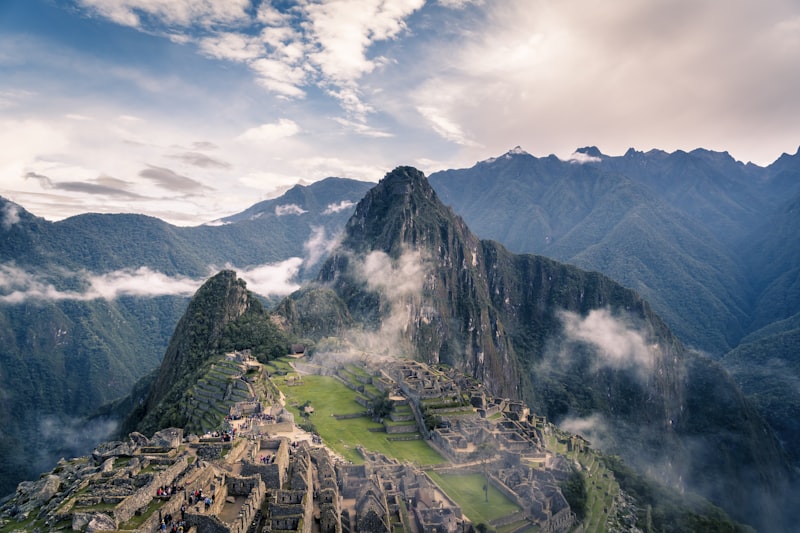
Cusco is the ancient capital of the Inca Empire, a high-altitude city where magnificent Inca stonework forms the foundations of colonial Spanish churches and mansions. Sitting at 3,400 meters above sea level in the Peruvian Andes, Cusco was once considered the navel of the world by the Incas, and its importance as a cultural and historical center endures today. The Plaza de Armas is the vibrant heart of the city, flanked by the grand Cathedral and the Jesuit Church of the Compañía. Nearby, the fortress of Sacsayhuamán showcases Inca engineering with its massive precisely fitted stone walls. The surrounding Sacred Valley of the Incas offers a series of archaeological sites including Ollantaytambo, Pisac, and Moray, each revealing different aspects of Inca civilization. Cusco is also the primary gateway to Machu Picchu, the iconic mountaintop citadel. The San Pedro Market overflows with local produce, fresh juices, and traditional dishes. The cobblestone streets of San Blas, the artisan quarter, are lined with workshops and galleries. Four days gives you time to acclimatize to the altitude, explore the city, visit the Sacred Valley, and optionally add a trek to Rainbow Mountain.
Highlights
- 1Explore Cusco's historic center including the Plaza de Armas, Cathedral, and Qorikancha Sun Temple while acclimatizing
- 2Visit the Sacred Valley with stops at Pisac market, Ollantaytambo fortress, and the Moray circular terraces
- 3Hike to the ruins of Sacsayhuamán and explore the artisan neighborhood of San Blas with its workshops and galleries
- 4Take an early morning excursion to Rainbow Mountain or visit the salt terraces of Maras and explore local villages
Best Time to Visit
The dry season from May to September offers clear skies and the best conditions for hiking and sightseeing. June and July are the driest but coldest months. The wet season from November to March brings afternoon rain but lush green landscapes and fewer tourists.
Travel Tips
- •Spend the first day taking it easy to acclimatize to the high altitude and drink coca tea to help
- •Purchase the Boleto Turístico pass for access to sixteen archaeological sites and museums
- •Book Machu Picchu tickets and train tickets well in advance as they sell out during peak season
- •Eat at the San Pedro Market for affordable and authentic Peruvian food including fresh ceviche and juices
- •Bring warm layers as temperatures drop significantly after sunset at this altitude
Frequently Asked Questions
Is Cusco expensive?
Cusco is affordable by Western standards, though tourist-area prices are higher than elsewhere in Peru. Budget travelers can manage on $30-50/day with hostels and local eateries. Mid-range visitors should budget $70-120/day for comfortable hotels and restaurant dining.
Do I need a visa for Peru?
US, UK, EU, Canadian, and Australian citizens can enter Peru visa-free for up to 183 days. No advance paperwork is needed. The Boleto Turístico (tourist ticket) covers 16 archaeological sites around Cusco and costs about 130 soles.
Is Cusco safe for tourists?
Cusco is generally safe for tourists in the central and San Blas areas. The biggest health concern is altitude sickness — at 3,400 meters elevation, take it easy on your first day, drink coca tea, and stay hydrated.
How many days do you need in Cusco?
Four days allows for altitude acclimatization, exploring the city center and San Blas, visiting Sacsayhuamán, and a day trip to the Sacred Valley. Most visitors use Cusco as a base for the 2-day Machu Picchu trip or multi-day Inca Trail trek.
What is the best area to stay in Cusco?
The Plaza de Armas area is most central with restaurants and tour agencies at your doorstep. San Blas is the artsy neighborhood with steep cobblestone streets and quieter boutique hotels, while San Cristóbal offers panoramic city views from a hillside location.