Live picks
See what's on in Copenhagen right now — must-see spots, food, and events
Open →
Overview
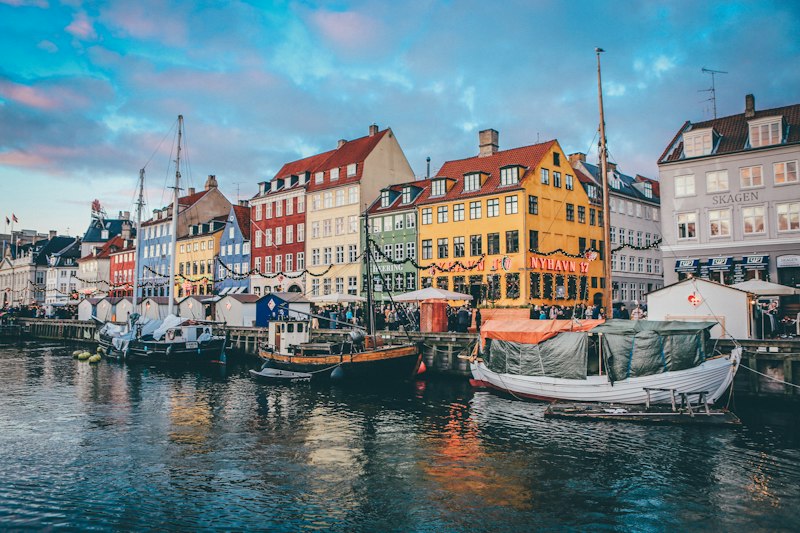
Copenhagen is the capital of Danish hygge — that untranslatable sense of cozy contentment — and three days reveals why this compact Scandinavian city consistently ranks among the world's happiest and most livable. The colorful 17th-century townhouses along Nyhavn harbor are Copenhagen's most photographed scene, but the city extends far beyond this single canal. Cycling is the primary transport mode, with more bikes than cars and dedicated infrastructure that makes two-wheeled exploration effortless. The food revolution here is remarkable: Copenhagen is home to several Michelin-starred restaurants pushing New Nordic cuisine, while the street food scene at Reffen market and Torvehallerne food hall is equally exciting. Tivoli Gardens, one of the world's oldest amusement parks, charms visitors of all ages, and the free-spirited enclave of Christiania offers an entirely different urban experience. Danish design permeates everything, from furniture shops to the city's clean architectural lines.
Highlights
- 1Explore Nyhavn, visit the Round Tower for city views, and wander through the Latin Quarter's shops and cafés
- 2Tour Rosenborg Castle and its crown jewels, watch the guard change at Amalienborg Palace, and visit the Design Museum
- 3Cycle to Christiania, browse Torvehallerne food hall, and spend the evening at Tivoli Gardens
Best Time to Visit
June through August offers the warmest weather (20-25°C) and up to 17 hours of daylight, perfect for outdoor dining and cycling. May and September are pleasant with fewer tourists. Winter is dark and cold but the city's hygge culture shines, with candlelit cafés, mulled wine, and Tivoli's Christmas market.
Travel Tips
- •The Copenhagen Card covers unlimited public transport and free entry to 80+ attractions — it pays for itself within 2-3 major visits
- •Rent a bike from Donkey Republic or Bycyklen for the most authentic Copenhagen experience — the city is flat and perfectly set up for cycling
- •Copenhagen is expensive; save money by eating smørrebrød (open-faced sandwiches) for lunch and cooking at your accommodation
- •Tap water is excellent throughout Denmark — no need to buy bottled water, and most restaurants serve it free
Frequently Asked Questions
Is Copenhagen expensive?
Copenhagen is one of the most expensive cities in Europe. Budget travelers need $100-140/day minimum, and mid-range visitors should plan $220-320/day. Dining out is particularly costly, though street food at Reffen and Torvehallerne offers relative value.
Do I need a visa for Denmark?
US, UK, Canadian, and Australian citizens can visit Denmark visa-free for up to 90 days under Schengen rules. Denmark uses the Danish krone (DKK), not the euro, but almost everywhere accepts card payments — cash is rarely needed.
Is Copenhagen safe for tourists?
Copenhagen is one of the safest cities in the world. Violent crime is extremely rare, and most areas are safe at all hours. The main risk is bicycle-related — stay out of bike lanes when walking, as Copenhagen cyclists move fast and expect clear lanes.
How many days do you need in Copenhagen?
Three days is perfect for Nyhavn, Tivoli Gardens, Rosenborg Castle, Christiania, and the food scene. Add a day for a trip to the Louisiana Museum of Modern Art, Kronborg Castle (Hamlet's castle) in Helsingør, or a bike ride along the coast.
What is the best area to stay in Copenhagen?
Indre By (the inner city) near Nyhavn and Strøget puts you within walking distance of most attractions. Vesterbro is a trendy neighborhood with the Meatpacking District's restaurants and nightlife, while Nørrebro offers a multicultural atmosphere with Copenhagen's best independent shops.